
Debunking Common Dental Myths

We’ve all heard them—those dental “facts” passed down through generations that shape how we think about oral health. Maybe your parents told you that baby teeth don’t really matter, or that you only need to see the dentist when something hurts. Perhaps you grew up believing that brushing harder meant cleaner teeth, or that avoiding sugar was the only thing that mattered for preventing cavities. At Larrimore Family Dentistry, we hear these myths regularly from patients who were genuinely trying to follow good advice—advice that turned out to be outdated, oversimplified, or just plain wrong.
The problem with dental myths isn’t just that they’re inaccurate—it’s that following them can actually harm your oral health. Understanding the truth behind these common misconceptions empowers you to make better decisions for your smile and your family’s dental wellness. Let’s bust some of the most persistent dental myths and replace them with science-backed truth.
Myth #1: “Baby Teeth Don’t Matter Since They’re Just Going to Fall Out Anyway”
This might be the most damaging myth in pediatric dentistry. Many parents believe that since primary teeth are temporary, cavities or other problems in baby teeth aren’t worth worrying about. The reality couldn’t be more different.
The Truth: Baby teeth serve critical functions that affect your child’s long-term oral health and development. They hold space for permanent teeth, guide them into proper position, and help develop correct jaw alignment. When baby teeth are lost prematurely due to decay or extraction, neighboring teeth can shift into the empty space, causing crowding and alignment problems that may require expensive orthodontic treatment later.
Baby teeth also play essential roles in your child’s ability to chew properly (affecting nutrition), speak clearly (impacting language development), and smile confidently (supporting social and emotional wellbeing). Untreated cavities in baby teeth can cause pain, infection, and even spread to developing permanent teeth beneath the gums.
Perhaps most importantly, the habits children develop around their baby teeth set patterns for a lifetime. Children who experience cavities and dental problems early often continue struggling with oral health as adults. Teaching proper care for baby teeth establishes the foundation for healthy permanent teeth.
At Larrimore Family Dentistry, we recommend children see the dentist by their first birthday and maintain regular visits every six months throughout childhood—not because we expect problems, but because early preventive care and education create healthy smiles that last a lifetime.
Myth #2: “You Only Need to See the Dentist When Something Hurts”
This reactive approach to dental care is one of the most costly mistakes patients make—both financially and in terms of their oral health.
The Truth: By the time dental problems cause noticeable pain, they’ve typically progressed significantly and require more extensive, expensive treatment. Cavities don’t hurt in their early stages—pain only develops once decay reaches the inner nerve of your tooth, at which point you likely need a root canal instead of a simple filling. Gum disease can silently destroy the bone supporting your teeth for years before causing obvious symptoms like loose teeth or pain.
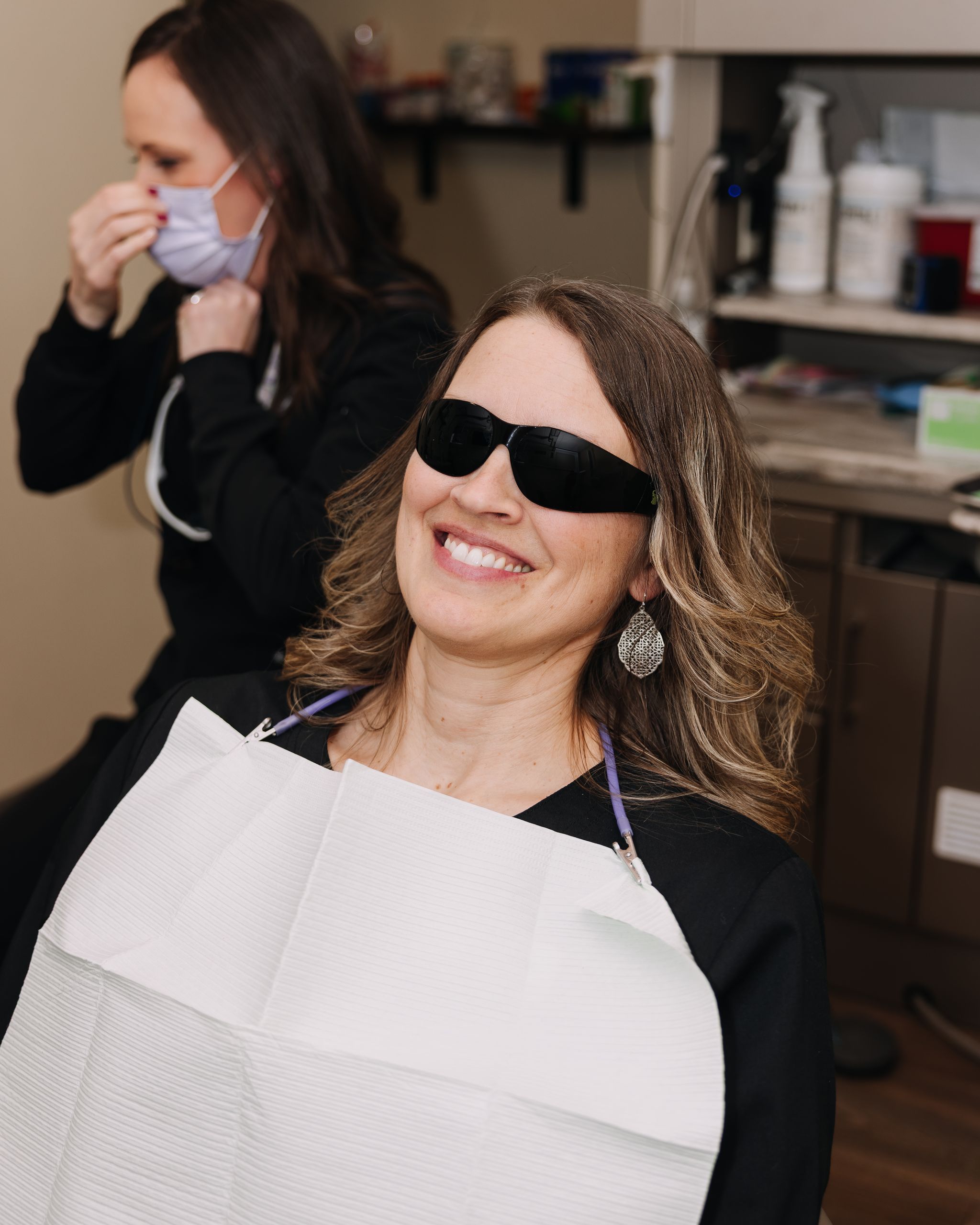
Regular dental visits allow us to detect problems when they’re small, painless, and easily treatable. We can identify a tiny cavity and repair it with a minimally invasive filling, preventing it from progressing to an infection requiring root canal treatment or extraction. We can catch early gum disease when it’s still reversible with improved home care, rather than waiting until it requires surgery.
Preventive dental care isn’t just about catching problems early—it’s about preventing them altogether. Professional cleanings remove tartar buildup that contributes to cavities and gum disease, fluoride treatments strengthen enamel, and dental sealants protect vulnerable tooth surfaces from decay. These preventive services, combined with regular monitoring, keep most patients problem-free and save thousands of dollars compared to treating advanced dental disease.
The recommended schedule for most patients is a checkup and cleaning every six months, though some people with higher risk factors benefit from more frequent visits. Think of dental appointments like oil changes for your car—regular maintenance prevents breakdowns and extends the life of your investment.
Myth #3: “Brushing Harder Cleans Better”
Many people approach tooth brushing with a “no pain, no gain” mentality, scrubbing vigorously and using firm-bristled brushes to get their teeth “really clean.” This aggressive approach actually causes significant damage.
The Truth: Brushing too hard can cause gum recession, enamel erosion, and tooth sensitivity—serious problems that are often irreversible. Your tooth enamel is remarkably strong, but it’s not indestructible, and aggressive brushing gradually wears it away. Gum tissue is even more vulnerable; hard brushing causes gums to pull away from teeth, exposing sensitive root surfaces and creating pockets where bacteria can accumulate.
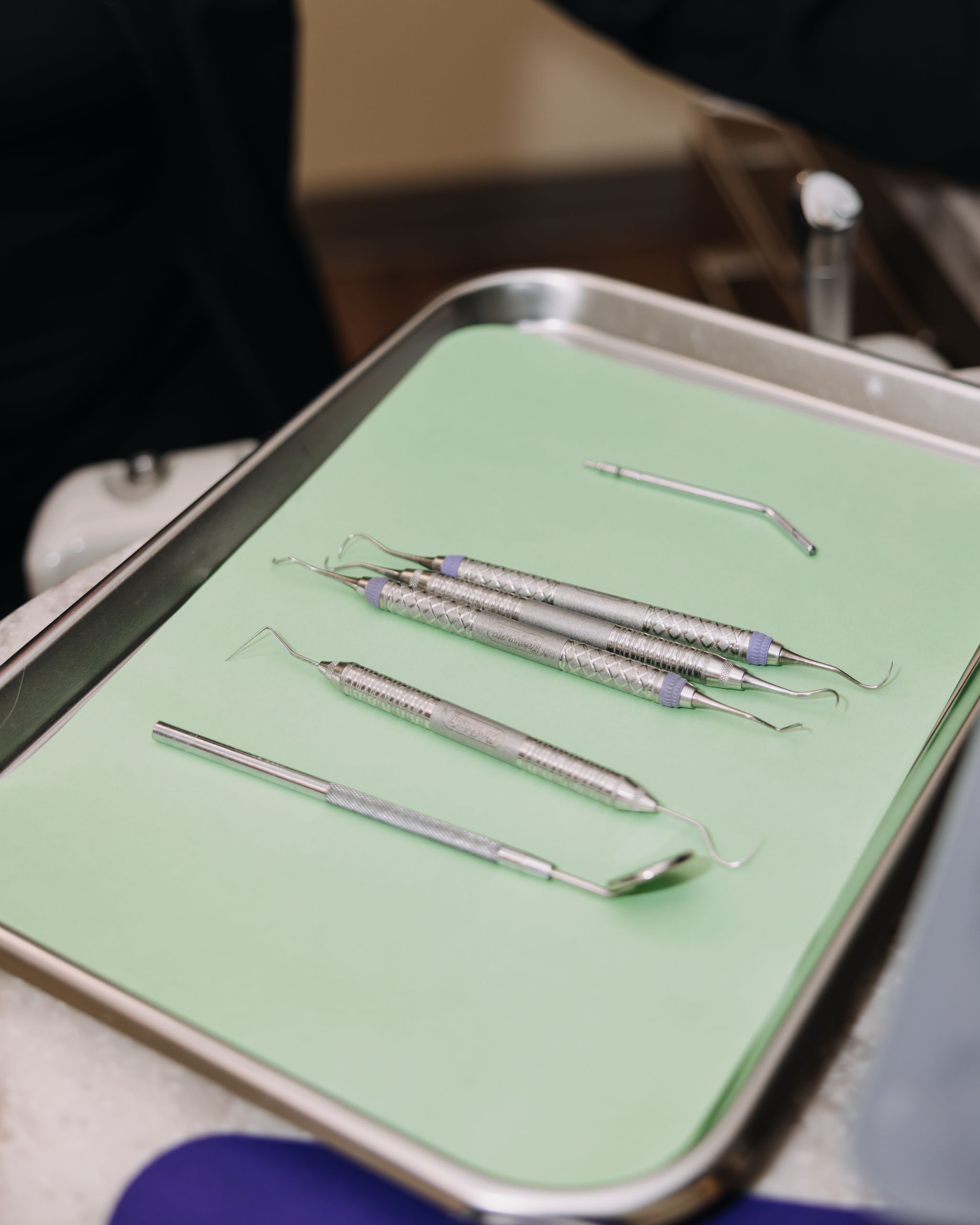
Effective brushing is about technique and consistency, not force. Use a soft-bristled toothbrush and gentle pressure—you’re trying to disrupt bacterial biofilm, not scrub stains off a bathtub. Hold your brush at a 45-degree angle toward the gum line and use small circular motions or gentle back-and-forth strokes. Let the bristles do the work rather than applying pressure.
Brush for two full minutes twice daily, making sure to reach all tooth surfaces including the often-neglected inner surfaces and back molars. An electric toothbrush can be especially helpful because many models include pressure sensors that alert you if you’re brushing too hard and timers that ensure adequate brushing duration.
If you’ve noticed receding gums or increased tooth sensitivity, you may already be experiencing the effects of overzealous brushing. Talk to us at your next visit about proper technique—we’re happy to demonstrate and provide personalized guidance.
Myth #4: “Sugar Is the Only Thing That Causes Cavities”
While avoiding sugar is certainly important for dental health, the relationship between diet and cavities is more complex than many people realize.
The Truth: Cavities develop when bacteria in your mouth feed on carbohydrates and produce acids that attack tooth enamel. While sugar is a prime culprit, all carbohydrates—including seemingly healthy options like crackers, bread, pretzels, and even dried fruit—can fuel cavity-causing bacteria.
The frequency and duration of carbohydrate exposure matters as much as the amount. Sipping a sugary drink throughout the day causes more damage than drinking it quickly with a meal because it creates continuous acid attacks on your teeth. Sticky foods like dried fruit or gummy snacks cling to teeth for extended periods, providing prolonged fuel for bacteria.
Additionally, acidic foods and beverages—including citrus fruits, tomatoes, vinegar-based dressings, and carbonated drinks—can erode enamel directly without involving bacteria at all. Even healthy habits like drinking lemon water throughout the day can damage teeth if done frequently.
Protecting your teeth requires a comprehensive approach: limit the frequency of carbohydrate consumption, especially between meals; choose fresh fruits over dried or sugary alternatives; drink water as your primary beverage; rinse your mouth with water after consuming acidic foods or drinks; and maintain excellent oral hygiene to remove food particles and bacterial buildup.
Myth #5: “Bleeding Gums Are Normal”
Many people experience bleeding when they brush or floss and dismiss it as normal or a sign that they need to floss more gently. This normalization of gum bleeding prevents people from seeking necessary treatment.
The Truth: Healthy gums do not bleed. Bleeding gums are a warning sign of gingivitis—early-stage gum disease caused by plaque buildup along the gum line. While gingivitis is extremely common (affecting over 50% of adults), common doesn’t mean normal or acceptable.
The good news is that gingivitis is reversible. With improved oral hygiene and professional dental cleanings, you can restore your gums to health and stop the bleeding. However, if ignored, gingivitis progresses to periodontitis—advanced gum disease that destroys the bone supporting your teeth and can lead to tooth loss.
If your gums bleed when you brush or floss, don’t brush more gently or avoid those areas—do the opposite. Continue brushing and flossing (with proper gentle technique) to remove the plaque causing inflammation. The bleeding should improve within a week or two as your gums heal. If bleeding persists beyond two weeks of consistent, proper oral hygiene, schedule a dental appointment for professional evaluation and treatment.
Never ignore persistent gum bleeding. It’s your body’s way of alerting you to a problem that requires attention.
Myth #6: “You Can Skip Flossing If You Brush Really Well”
Some patients pride themselves on thorough brushing and assume this compensates for not flossing. Unfortunately, even the most meticulous brushing leaves significant areas untouched.
The Truth: Your toothbrush, no matter how advanced or how well you use it, cannot reach the tight spaces between your teeth where they contact each other. These interdental areas account for about 40% of your tooth surfaces—that’s a lot of real estate to leave uncleaned.
Plaque and food particles trapped between teeth are primary contributors to cavities and gum disease. Many people develop cavities exclusively between teeth precisely because they don’t floss regularly. Gum disease typically begins in these areas where plaque accumulates undisturbed.
Flossing once daily—ideally before bedtime—removes plaque and debris from these crucial areas that brushing misses. If traditional floss is challenging for you, try floss picks, interdental brushes, or water flossers. The best flossing tool is the one you’ll actually use consistently.
Myth #7: “Whitening Damages Your Teeth”
The proliferation of whitening products has also spawned concerns that whitening treatments damage tooth enamel or cause permanent sensitivity.
The Truth: Professional teeth whitening, whether performed in-office or with dentist-supervised take-home kits, is safe and does not damage tooth enamel when used as directed. The whitening agents work by breaking down stain molecules; they don’t erode or weaken enamel structure.
Some people experience temporary tooth sensitivity during or after whitening treatment, but this sensitivity is typically mild and resolves within a few days. We can recommend desensitizing products or adjust your whitening protocol if sensitivity becomes bothersome.
The caution with whitening concerns overuse of products or using unapproved methods. Excessive whitening doesn’t produce better results—it just increases sensitivity without additional benefit. And trendy DIY whitening methods using ingredients like activated charcoal or lemon juice can actually damage enamel through abrasive or acidic action.
For safe, effective whitening, consult with us about professional options tailored to your specific needs and sensitivity levels.
Replacing Myths with Evidence-Based Care
At Larrimore Family Dentistry, we’re committed to providing evidence-based care informed by current research rather than outdated beliefs. We understand that many patients are simply following advice they learned from trusted sources, and we’re here to gently correct misconceptions while providing accurate, actionable information.
If you’ve been following any of these myths, don’t feel embarrassed—you’re not alone, and it’s never too late to adjust your approach. Whether you need to establish better preventive care habits, address damage from overzealous brushing, or simply learn proper techniques, we’re here to help without judgment.
Ready to separate dental fact from fiction? Contact Larrimore Family Dentistry today to schedule your appointment. Let’s work together to build your oral health on a foundation of science, not myths. Your smile deserves nothing less than the truth.