
Why Gum Health is Essential for Your Overall Wellness
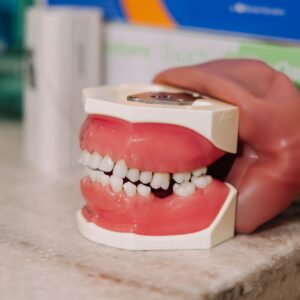
When most people think about oral health, they focus primarily on preventing cavities and maintaining white teeth. However, at Larrimore Family Dentistry, we know that your gums play a far more critical role in your overall health than many realize. The health of your gums doesn’t just determine whether you keep your teeth—it can significantly impact your cardiovascular health, diabetes management, respiratory function, and even cognitive wellness. Understanding this connection is crucial for making informed decisions about your oral care routine and overall health strategy.
Understanding Your Oral Ecosystem

Your mouth houses one of the most complex bacterial ecosystems in your body, known as the oral microbiome. Just like the beneficial bacteria in your intestines, your mouth contains hundreds of different bacterial species that compete for space and resources. When these microorganisms exist in healthy balance, your gums remain protected from disease-causing pathogens.
However, when this delicate ecosystem becomes disrupted—whether through poor oral hygiene, stress, dietary choices, or other factors—harmful bacteria can gain the upper hand. These pathogenic bacteria don’t just cause bad breath or tooth decay; they initiate a cascade of inflammatory responses that can affect your entire body.
The process begins when harmful bacteria accumulate along the gum line, forming biofilms called plaque. If not removed through proper brushing and flossing, this plaque hardens into tartar, creating an ideal environment for more dangerous bacteria to flourish. These bacteria release toxins that irritate the gum tissue, triggering your immune system to respond.
The Real Culprit: Inflammation, Not Just Bacteria
For decades, dental professionals believed that bacteria directly destroyed gum tissue. Today’s research reveals a more complex and concerning picture: it’s not the bacteria themselves causing the most damage, but rather the inflammatory response they trigger.
When your immune system detects harmful bacteria in your gums, it sends white blood cells to eliminate the threat. While this immune response is designed to protect you, it can become a double-edged sword. The substances these white blood cells produce to destroy bacteria also damage healthy gum tissue in the process.
This inflammatory response is what transforms a simple bacterial infection into periodontal disease—a chronic inflammatory condition that can progress from mild gum irritation (gingivitis) to severe tissue destruction (periodontitis). In advanced cases, this inflammation can completely destroy the structures supporting your teeth, leading to tooth loss.
The Systemic Health Connection
What makes gum disease particularly concerning is its connection to serious health conditions throughout your body. Research has consistently shown that people with periodontal disease face higher risks for cardiovascular disease, diabetes complications, chronic respiratory issues, pregnancy complications, and even dementia.
Heart Health: The bacteria from infected gums can enter your bloodstream and travel to your heart, potentially contributing to the formation of arterial plaques. The chronic inflammation associated with gum disease also appears to accelerate atherosclerosis, increasing your risk of heart attack and stroke.
Diabetes Management: The relationship between gum disease and diabetes is particularly strong and bidirectional. Diabetes makes it harder to fight off infections, including gum infections. Conversely, the chronic inflammation from gum disease can make blood sugar control more difficult. Studies show that successfully treating periodontal disease can lead to improved glycemic control in diabetic patients.
Respiratory Health: Bacteria from the mouth can be aspirated into the lungs, potentially causing pneumonia or worsening existing respiratory conditions like chronic obstructive pulmonary disease (COPD).
Pregnancy Outcomes: Pregnant women with periodontal disease face increased risks of premature birth, low birth weight babies, and pregnancy complications. The inflammatory substances produced during gum disease can trigger early labor.
Cognitive Function: Emerging research suggests links between chronic gum inflammation and cognitive decline, including Alzheimer’s disease. The bacteria associated with gum disease have been found in brain tissue of Alzheimer’s patients.
How Your Gums Protect Your Health
Healthy gums serve as a crucial barrier between the bacteria in your mouth and your bloodstream. When gums are intact and healthy, they prevent harmful bacteria from entering your circulatory system and causing systemic inflammation.
Your gums also provide essential support and nourishment for your teeth. They supply blood flow and nutrients to tooth roots while creating a sealed environment that protects against bacterial invasion. When gum disease compromises this protective barrier, it opens pathways for bacteria to spread throughout your body.
Recognizing the Warning Signs
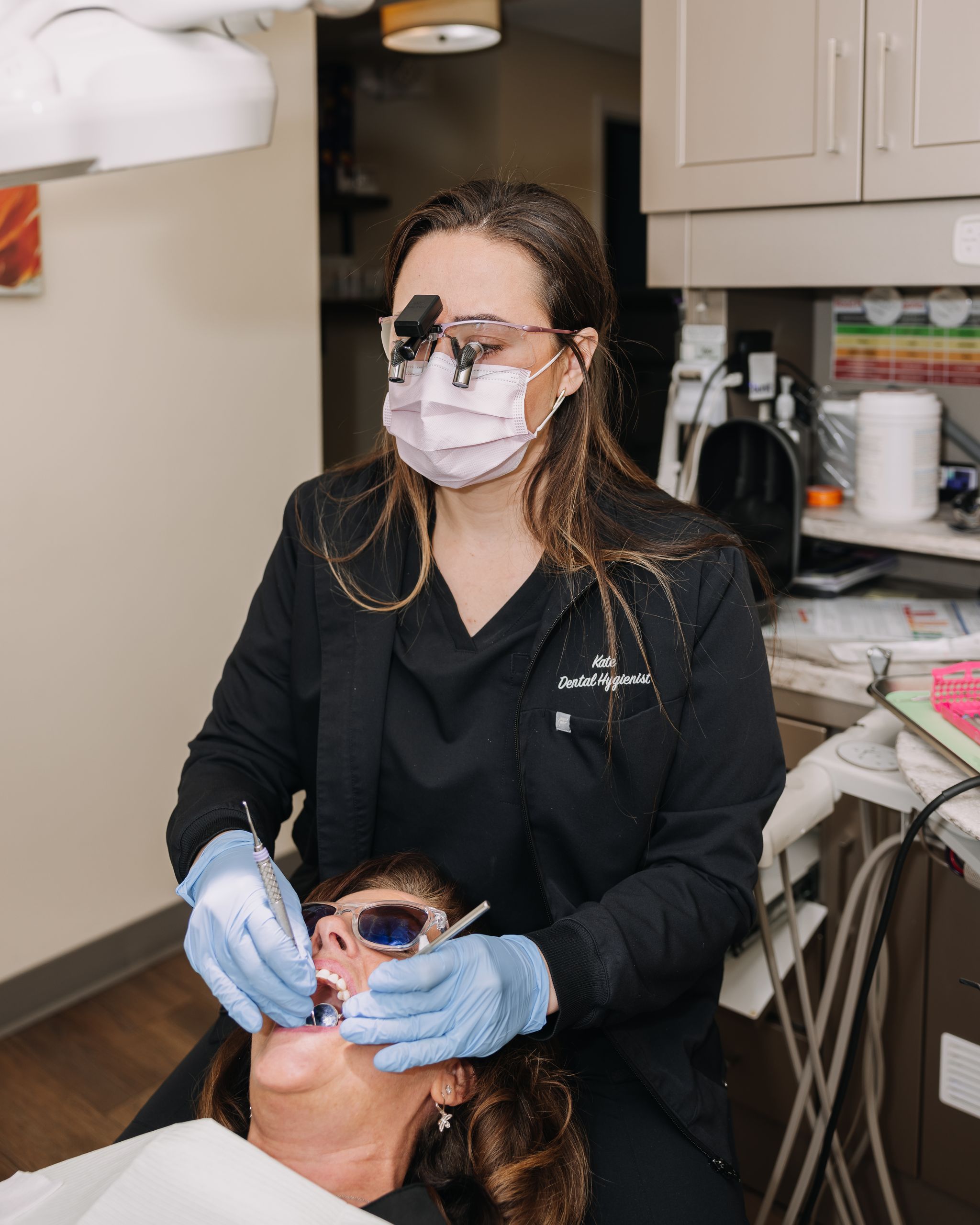
Early detection of gum disease is crucial for preventing both oral and systemic health complications. At Larrimore Family Dentistry, we screen for these warning signs during every visit:
Early Signs (Gingivitis):
- Red, swollen gums
- Bleeding during brushing or flossing
- Tender gums
- Bad breath that doesn’t improve with brushing
Advanced Signs (Periodontitis):
- Gums that pull away from teeth
- Pockets of pus between teeth and gums
- Loose or shifting teeth
- Changes in bite alignment
- Persistent bad taste in mouth
Prevention: Your First Line of Defense
The good news is that gum disease is largely preventable with consistent care and healthy lifestyle choices. At Larrimore Family Dentistry, we recommend a comprehensive approach to gum health:
Daily Home Care: Brush at least twice daily with fluoride toothpaste, focusing on the gum line where bacteria accumulate. Floss daily to remove plaque from between teeth where brushes can’t reach. Consider using interdental brushes if you have bridges, implants, or wide spaces between teeth.
Lifestyle Modifications: Don’t smoke—smokers are up to six times more likely to develop severe gum disease. Maintain a healthy diet rich in anti-inflammatory foods like vegetables, fruits, nuts, and omega-3 rich fish. Limit sugar and processed foods that feed harmful bacteria.
Professional Care: Regular dental checkups and professional cleanings are essential for removing tartar buildup and detecting early signs of disease. We can spot problems before they become serious and provide personalized recommendations for your specific risk factors.
Stress Management: Chronic stress weakens your immune system and makes it harder to fight off infections, including gum disease. Consider stress-reduction techniques like meditation, exercise, or counseling.
Treatment Options at Larrimore Family Dentistry
If gum disease is detected, we offer comprehensive treatment options tailored to the severity of your condition:
Early Intervention: For gingivitis, improved home care combined with professional cleanings can often reverse the damage completely.
Moderate Disease: Scaling and root planing (deep cleaning) removes bacteria and toxins from below the gum line, allowing tissues to heal.
Advanced Cases: More complex treatments may be necessary, including antimicrobial therapy, laser treatment, or surgical intervention to restore healthy gum tissue.
Your Partner in Comprehensive Health
At Larrimore Family Dentistry, we view gum health as an integral part of your overall wellness strategy. Our approach goes beyond treating symptoms—we work with you to understand your unique risk factors, lifestyle considerations, and health goals to develop a personalized plan for optimal gum health.
Whether you’re managing diabetes, concerned about heart disease, planning a pregnancy, or simply want to maintain optimal health, we’re here to help you understand how your oral health impacts your overall wellness. Don’t wait for symptoms to develop—schedule your comprehensive gum health evaluation today and take a proactive step toward protecting both your smile and your systemic health for years to come.