
The Oral Health and Heart Connection: Why Your Smile Impacts Your Cardiovascular Health
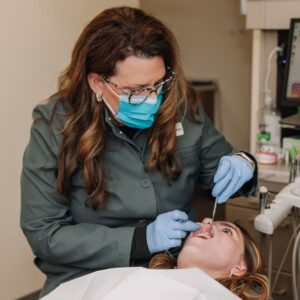
Your mouth and your heart might seem completely unrelated, yet emerging research reveals a profound and undeniable connection between your oral health and heart health that challenges the traditional view of dentistry as isolated from overall wellness. At Larrimore Family Dentistry, we understand that the health of your gums and teeth directly impacts your cardiovascular system in ways that can be life-changing and even life-saving.
The relationship between oral health and heart disease is so well-established that the American Heart Association now recognizes gum disease as a risk factor for cardiovascular disease. People with gum disease face significantly higher risks for heart attack and stroke compared to those with healthy gums. Understanding this critical connection empowers you to take action that protects not just your smile, but your heart and your life. Let’s explore the fascinating and important relationship between your oral health and cardiovascular wellness.
The Link Between Gum Disease and Heart Disease
The evidence connecting gum disease to heart disease is compelling and consistent across numerous large-scale studies. Research has shown that people with periodontal disease face two to three times higher risk of having a heart attack and three times higher risk of experiencing a stroke compared to people with healthy gums.
This isn’t a coincidence or correlation without causation, scientists have identified specific mechanisms through which gum disease contributes to cardiovascular disease. These aren’t theoretical connections; they represent well-documented pathways through which oral bacteria and inflammation directly impact your heart health.
What makes this relationship particularly important is that gum disease is preventable and treatable. By addressing your gum health, you’re not just maintaining your teeth, you’re protecting your heart and potentially adding years to your life.
How Oral Bacteria Travel from the Mouth to the Heart
Understanding exactly how your mouth affects your heart requires understanding several biological mechanisms that connect these seemingly distant systems.
The Direct Bacterial Pathway:
When gum disease is present, harmful bacteria accumulate beneath your gum line in periodontal pockets. These diseased gums bleed easily during chewing, brushing, flossing, or even spontaneously. Each time your gums bleed, these pathogenic bacteria enter your bloodstream directly.
Once in your circulation, periodontal bacteria can travel throughout your body. Research has identified specific periodontal pathogens in arterial plaque and in the hearts of people with cardiovascular disease. These aren’t bacteria that belong in your arteries; their presence indicates a direct pathway from your infected gums to your cardiovascular system.
These bacteria don’t just travel passively through your bloodstream. Once they reach your arteries, they can contribute to plaque formation, damage artery walls, and trigger blood clots. For people with existing heart disease or compromised cardiac function, this bacterial invasion can be particularly dangerous.
Inflammation as the Common Connection:
Beyond direct bacterial invasion, inflammation represents perhaps the most significant link between gum disease and heart disease. Chronic gum disease creates persistent inflammation because your immune system is constantly working to fight the infection, producing inflammatory molecules that enter your bloodstream and circulate throughout your body.
This systemic inflammation doesn’t stay confined to your gums. It contributes to arterial inflammation, accelerates atherosclerosis (plaque buildup in arteries), and increases your risk of dangerous blood clots. The inflammatory response that damages your gums also damages your blood vessels, creating conditions favorable to heart disease.
How Gum Bacteria May Contribute to Arterial Plaque:
Scientists have discovered periodontal bacteria embedded within arterial plaques, suggesting these bacteria actively participate in plaque formation rather than simply being present as bystanders. The bacteria appear to stimulate inflammatory responses that accelerate plaque development and increase its instability, making it more likely to rupture and cause heart attack or stroke.
Additionally, periodontal bacteria produce toxic compounds that trigger intense inflammatory responses and can directly damage artery walls. The combination of bacterial invasion, inflammatory cascade, and toxic bacterial byproducts creates ideal conditions for cardiovascular disease progression.
Warning Signs That Gum Health May Be Affecting Your Overall Health
Certain signs suggest your gums need attention and that your cardiovascular health might be at risk:
- Red, swollen, or tender gums that bleed easily when brushing or flossing
- Persistent bad breath or bad taste that doesn’t improve with hygiene
- Gums that have pulled away from your teeth, creating visible gaps
- Loose teeth or changes in how your bite feels
- Pus between your teeth and gums
- Changes in how dentures fit (indicating bone loss)
If you notice any of these signs, especially if they persist for more than two weeks, contact Larrimore Family Dentistry for evaluation.
Who Is Most at Risk?
Certain populations face particularly elevated risk when gum disease and cardiovascular disease overlap:
People with Diabetes:
The relationship between diabetes, gum disease, and heart disease creates a dangerous triangle. Diabetes weakens your immune system, making you more susceptible to gum disease. Gum disease complicates blood sugar control. And both conditions significantly increase heart disease risk. Diabetic patients with gum disease require particularly aggressive preventive dental care.
Smokers:
Smoking triples your risk of gum disease and dramatically increases cardiovascular disease risk. The combination creates compounded danger. Smokers with gum disease face astronomical cardiovascular risks compared to non-smokers with healthy gums.
People with Family History of Cardiovascular Disease:
If heart disease runs in your family, your cardiovascular risk is already elevated. Adding gum disease to this genetic predisposition creates substantial additional danger. These patients need exceptional oral health maintenance.
People with Existing Heart Disease:
For those already diagnosed with heart disease, gum disease represents a modifiable risk factor that deserves immediate attention. Treating gum disease may actually improve cardiovascular outcomes.
Older Adults:
Age alone increases cardiovascular disease risk. Combined with age-related increases in gum disease prevalence, older adults face compounded risk that requires proactive management.

Protecting Both Your Smile and Your Heart
Protecting your cardiovascular health through oral care requires commitment to multiple strategies:
Maintain Excellent Oral Hygiene:
Brush twice daily with fluoride toothpaste using proper technique. Floss daily—this is non-negotiable for cardiovascular health, as flossing removes plaque from areas where gum disease typically begins. If traditional flossing is challenging, water flossers provide effective alternatives.
Address Periodontal Disease Promptly:
If you’re diagnosed with gum disease, treat it aggressively. Early-stage gingivitis is reversible with improved home care and professional cleanings. Advanced periodontitis requires scaling and root planing or other interventions to eliminate the infection.
Manage Other Cardiovascular Risk Factors:
Controlling blood pressure, maintaining healthy cholesterol levels, managing diabetes, achieving healthy weight, exercising regularly, and managing stress all support both cardiovascular and oral health.
Quit Smoking:
Smoking dramatically increases both gum disease and heart disease risk. Quitting eliminates this compounded danger and represents perhaps the single most impactful change for cardiovascular health.
Coordinate Care with Your Physician:
Inform your primary care physician about any gum disease diagnosis. Similarly, tell your dentist about any cardiovascular concerns. Coordinated care between your dental and medical providers optimizes outcomes.
How Regular Dental Visits Support Heart Health
Your six-month dental appointments do far more than maintain your teeth—they’re an investment in cardiovascular health:

Early Detection: Regular professional examinations catch gum disease in early, reversible stages before it becomes severe enough to significantly impact cardiovascular health.
Professional Cleaning: Professional cleanings remove tartar buildup that you cannot eliminate through home care alone. This removes the bacterial reservoir that contributes to gum disease.
Risk Assessment: We assess your individual cardiovascular risk factors and adjust your preventive care accordingly. Patients with heart disease or cardiovascular risk factors may benefit from more frequent visits.
Education: We provide personalized guidance on maintaining gum health and understanding how oral health affects your heart.
Frequently Asked Questions
Can gum disease cause a heart attack?
Gum disease doesn’t directly cause heart attacks, but it significantly increases your risk. The bacteria from infected gums can enter your bloodstream and contribute to arterial plaque formation. The chronic inflammation from gum disease accelerates atherosclerosis. For people with existing heart disease or vulnerable cardiac status, this increased risk can be life-threatening. If you have gum disease, treating it reduces your cardiovascular risk.
Does treating gum disease improve heart health?
Research suggests yes. Studies show that treating periodontal disease can improve cardiovascular outcomes, reduce blood pressure, and decrease markers of systemic inflammation. While treating gum disease won’t cure heart disease, it removes a modifiable risk factor that may meaningfully improve your heart health.
How often should I visit a dentist if I have heart concerns?
If you have cardiovascular disease or significant cardiovascular risk factors, discuss your dental visit frequency with both your cardiologist and dentist. Many people with heart disease benefit from professional cleanings every three to four months instead of the standard six-month schedule. More frequent visits allow better monitoring of gum health and earlier intervention if problems develop.
Your Heart Deserves Healthy Gums
The connection between oral health and heart health isn’t just interesting science, it’s a powerful reminder that your body functions as an integrated system where everything connects to everything else. By maintaining healthy gums, you’re not just preserving your teeth and smile; you’re actively protecting your cardiovascular system and potentially adding years to your life.
At Larrimore Family Dentistry, we view gum health as an essential component of cardiovascular wellness. We’re committed to helping you maintain the healthiest possible gums, not just for your smile, but for your heart.
If you’re concerned about your gum health or your cardiovascular risk, don’t wait. Contact Larrimore Family Dentistry today to schedule a comprehensive evaluation. Let’s work together to protect both your smile and your heart. Your future self will thank you for the investment you make in your oral health today.