
When Did the Mouth Get Separated from the Body? The History of Dental Healthcare Fragmentation

When was the last time your dentist and your primary care physician communicated about your health? If you’re like most Americans, the answer is probably never. Your dentist has no idea what medications you take, your doctor doesn’t know about your recent root canal, and neither provider fully understands how these separate systems affect your overall health. This fragmentation feels completely normal, yet it’s remarkably recent in human history.
For thousands of years, your mouth was understood as an integral part of your body, inseparable from your overall health. The artificial divide between dentistry and medicine is less than 200 years old, yet it has profound consequences for how we treat disease. At Larrimore Family Dentistry, we believe it’s time to reclaim the integrated approach that served humanity for millennia.
The Early History: Mouth and Body as One System
Ancient medical traditions understood what we’re only now rediscovering: the mouth isn’t separate from the body.
Traditional Chinese Medicine recognized for over 2,000 years that specific teeth correspond to organ systems, and oral health reflects overall health. Ayurvedic medicine similarly understood that dental problems indicated systemic imbalances requiring whole-body treatment. Ancient Greek physicians, including Hippocrates, wrote extensively about teeth and gums as reflections of overall health.
In medieval Europe, tooth extraction wasn’t a specialized procedure, it was part of general medical practice. Barber-surgeons handled everything from bloodletting to tooth extraction. The mouth was simply one part of the body requiring attention, not a separate specialty.
The Rise of Dentistry as Separate Profession
Beginning in the 1700s, this integrated approach unraveled.
Practitioners began specializing specifically in teeth as medical knowledge became increasingly complex. The first dental society formed in France in 1728, and formal dental training programs developed in the late 1700s. In 1840, the world’s first dental college opened in Baltimore, formally separating dental education from medical education.
This specialization brought genuine benefits: dentists developed more sophisticated techniques and formal education improved patient outcomes. However, it created an unfortunate byproduct: the mouth became viewed as separate from the rest of the body.
Why the Separation Happened
The fragmentation resulted from specific historical and economic factors.
As all medical knowledge became increasingly complex, specialization became necessary. No single practitioner could master cardiology, orthopedics, and dentistry. Breaking into specialties made practical sense, and dentists developed techniques and knowledge specific to oral care that physicians didn’t possess.
But perhaps most importantly, the insurance industry locked fragmentation into place. Starting in the mid-20th century, dental insurance became completely separate from medical insurance with different companies, different coverage rules, and different billing systems. This financial separation reinforced the professional separation.
The Consequences: How Fragmentation Harms Patient Health
The separation that once made administrative sense now creates serious gaps:
Communication Breakdown: Your dentist doesn’t know about your heart disease risk factors. Your cardiologist doesn’t know about your chronic gum disease. Each provider works in isolation, missing critical connections.
Missed Diagnoses: Systemic diseases often manifest first in the mouth: diabetes causes dry mouth and gum disease, heart disease creates oral symptoms. Providers in each specialty miss these diagnostic opportunities.
Inadequate Prevention: A pregnant woman might receive excellent prenatal care but be told by her dentist that dental treatment is unsafe—or vice versa. Each provider gives incomplete information.
Duplication and Inefficiency: Identical procedures are coded differently and covered differently depending on whether a dentist or physician performs them.
The Turning Point: Modern Research Forcing Reconnection
By the 1990s, scientific evidence accumulated too compelling to ignore: the mouth and body aren’t separate.
Gum Disease and Heart Disease: Research demonstrated that people with gum disease face two to three times higher risk of heart attack and stroke. Bacteria from infected gums enter the bloodstream and contribute to arterial plaque. The chronic inflammation from periodontal disease accelerates atherosclerosis.
Pregnancy Complications: Studies revealed that pregnant women with gum disease face significantly higher risk of premature birth and low birth weight babies.
Diabetes: Research showed that gum disease makes blood sugar control more difficult, while poorly controlled diabetes increases periodontal disease risk.
Systemic Inflammation: Scientists identified specific mechanisms through which oral bacteria and inflammation enter the bloodstream and trigger systemic disease throughout the body.
The Mouth-Body Connection: Modern Science Validates Ancient Wisdom
Modern research is rediscovering what ancient medicine always understood.
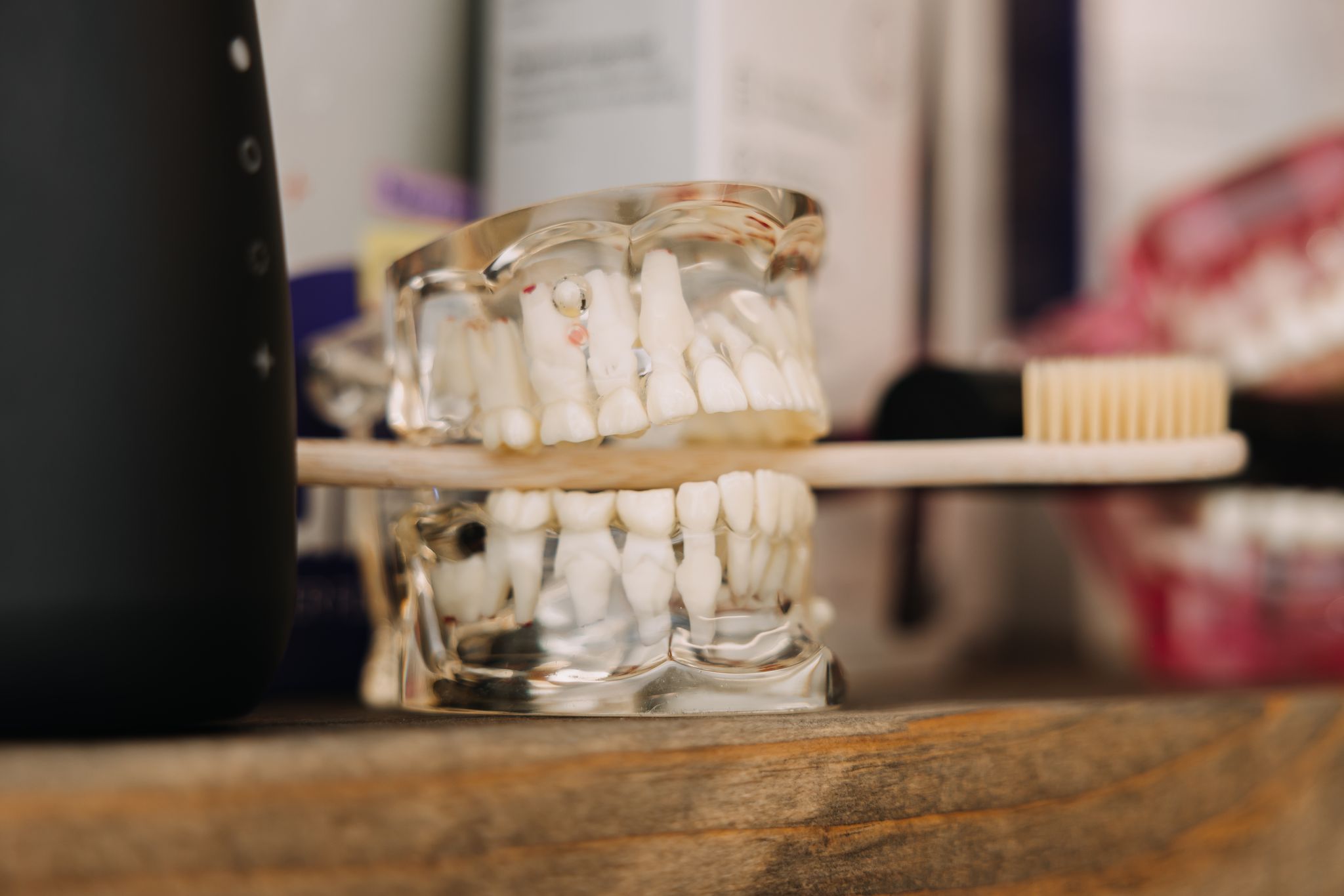
Oral bacteria don’t stay confined to your mouth—they enter your bloodstream through bleeding gums and contribute to disease throughout your body. The inflammatory molecules produced by gum disease circulate everywhere, affecting your heart, immune system, and metabolism. Nutritional status is directly affected by whether you can chew effectively. Hundreds of medications cause dry mouth as a side effect, dramatically increasing cavity and gum disease risk, yet many patients and providers miss this connection.
The Current State: Slow Integration Amid Persistent Fragmentation
Today, we’re in an awkward middle ground. Scientific evidence overwhelmingly supports integrated care, yet the healthcare system remains largely fragmented.
Some forward-thinking dental and medical practices are beginning to communicate and coordinate care, but these remain exceptions. Electronic health records systems don’t communicate between specialties. Insurance billing remains separate. Professional licensing and education remain separate. Fortunately, younger dentists and physicians increasingly understand the mouth-body connection and are pushing for integration.
Larrimore Family Dentistry’s Approach to Reclaiming Integration
We don’t just look at your teeth, we consider your complete health picture. We ask about medical conditions, medications, stress, sleep, and systemic health factors affecting oral health.
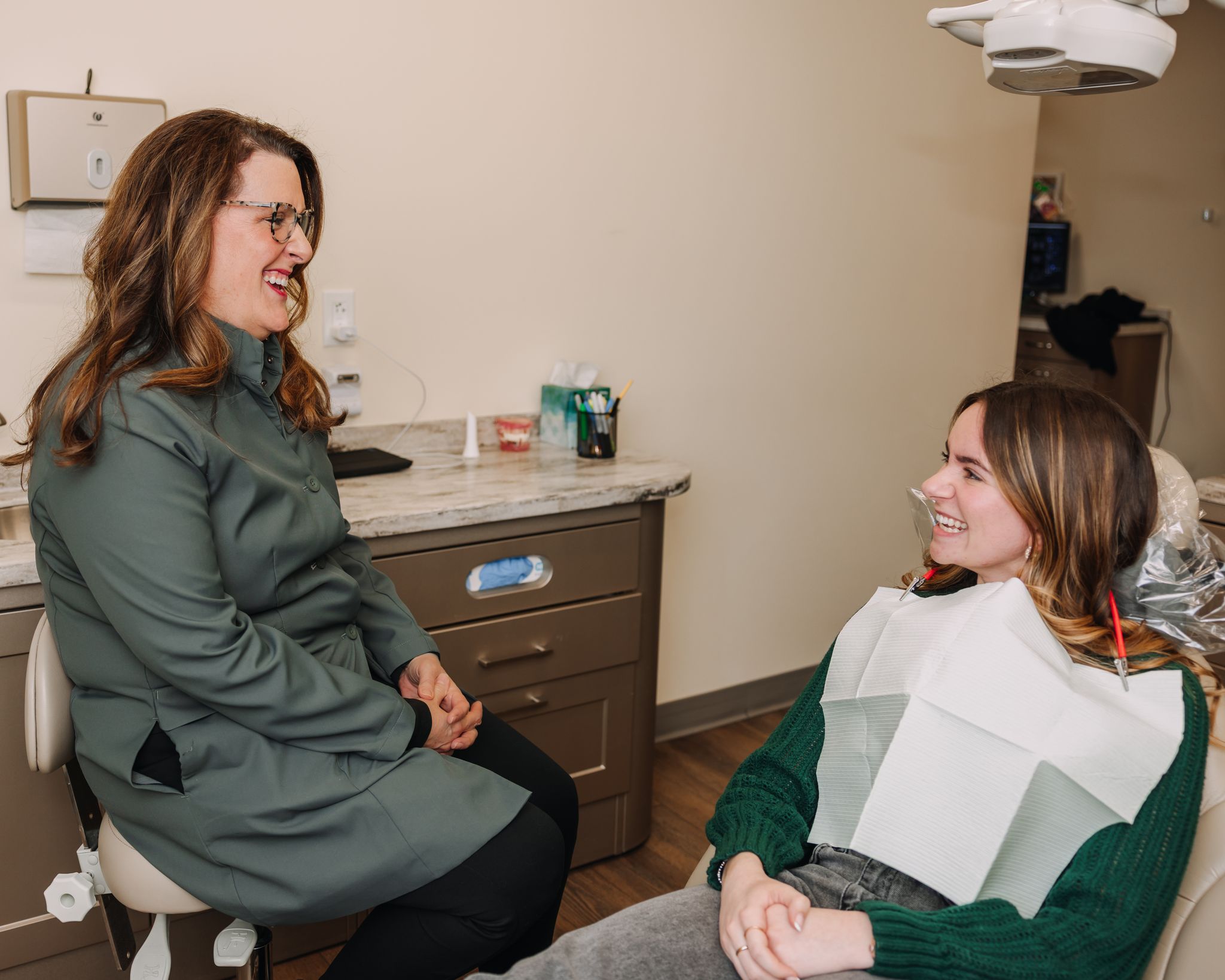
With your permission, we communicate with your physicians about oral health findings that might affect their treatment decisions. We educate patients about how oral health affects cardiovascular health, diabetes management, pregnancy outcomes, and overall wellness. Our preventive protocols consider not just your teeth but your cardiovascular health, metabolic health, and immune function.
Frequently Asked Questions
Why did dentistry separate from medicine?
Specialization, educational development, and insurance industry decisions contributed. The separation made administrative sense at the time but created problems we’re addressing today.
How does oral health affect overall health?
Oral bacteria and inflammation enter the bloodstream, affecting your heart, blood vessels, and immune system. Gum disease increases risk of heart disease, stroke, diabetes complications, and other conditions.
Should I see a dentist who communicates with my doctor?
Absolutely. A dentist who coordinates with your medical providers can provide more comprehensive care considering your complete health picture.
What is holistic or biological dentistry?
These approaches emphasize the mouth-body connection, use biocompatible materials, and treat dental problems considering systemic health implications.
Reclaiming Integrated Healthcare
The separation of dentistry from medicine was a historical accident, not a reflection of biological reality. Science validates what ancient medicine always understood: your mouth is part of your body, inseparable from your overall health.
At Larrimore Family Dentistry, we’re committed to the future… one where your mouth and body are recognized as the integrated system they’ve always been. Contact us today to schedule your comprehensive evaluation and experience integrated, whole-body dental care.