
Your Guide to the Oral Hygiene Tools You Actually Need (and don’t)
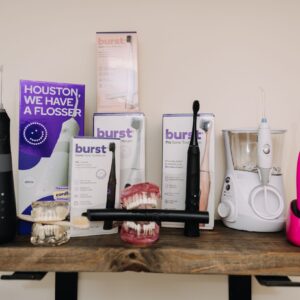
Walk down the oral care aisle at any pharmacy, and you’ll be confronted with an overwhelming array of products, each promising to revolutionize your dental health. Electric toothbrushes with smartphone apps, water flossers with multiple pressure settings, tongue scrapers in various materials, mouthwashes claiming miraculous benefits, and trendy items like activated charcoal toothpaste or oil pulling kits. With so many options and aggressive marketing claims, how do you know what’s actually worth your money and what’s just clever packaging?
At Larrimore Family Dentistry, we’re frequently asked about oral hygiene products—which ones work, which are worth the investment, and which are simply marketing hype. The truth is that effective oral care doesn’t require a bathroom counter full of expensive gadgets. It requires the right tools used consistently and correctly. Let’s cut through the marketing noise and provide honest, expert guidance on what you actually need for optimal oral health.
Your Toothbrush
Manual vs. Electric: Does It Really Matter?
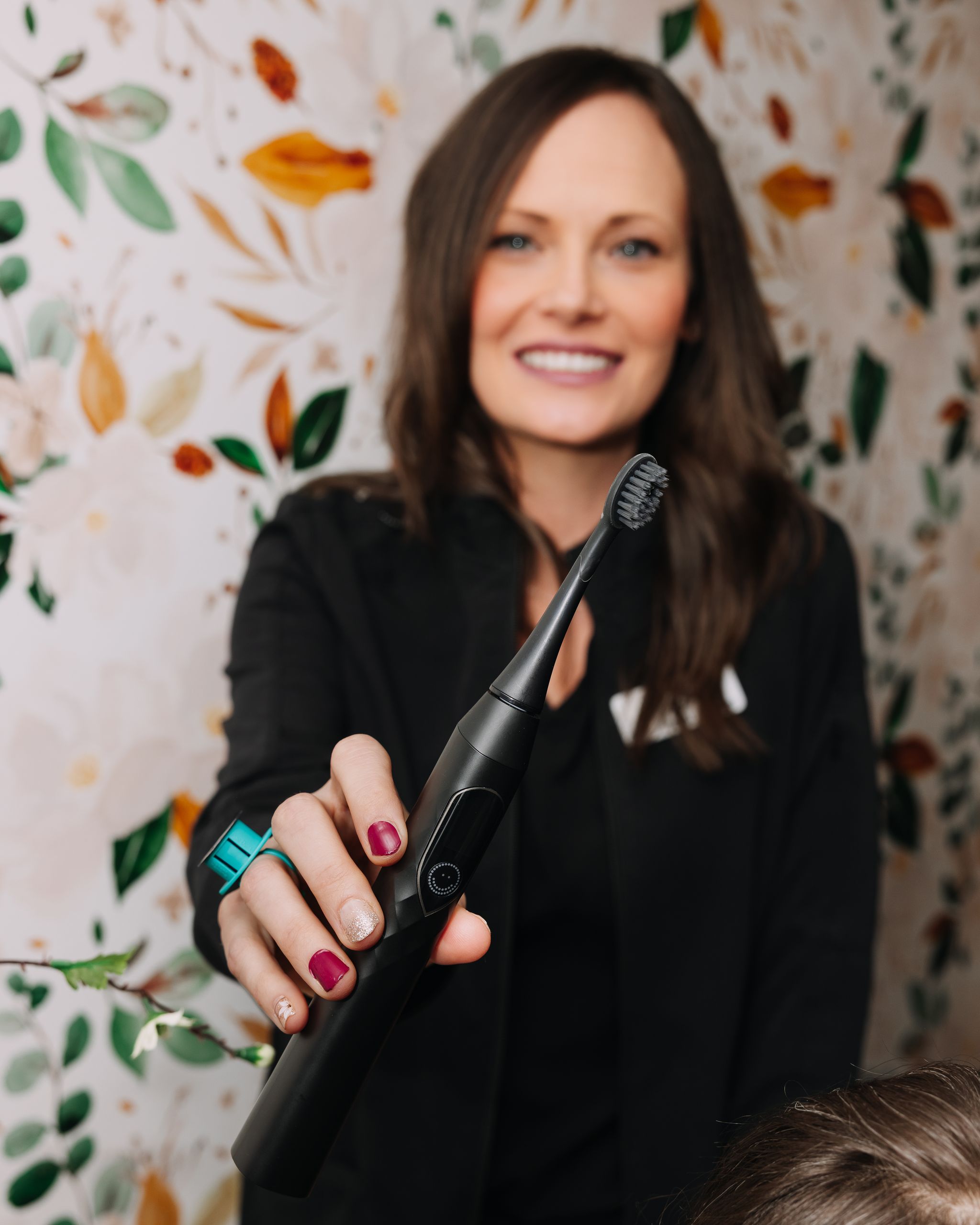
The honest answer is that both manual and electric toothbrushes can be equally effective—if used properly. The key phrase is “if used properly,” and this is where electric toothbrushes earn their value for many people.
Electric Toothbrushes: High-quality electric toothbrushes offer several genuine advantages. Most include built-in timers that ensure you brush for the full two minutes recommended by dentists—something most people fail to do with manual brushes. Many models also feature pressure sensors that alert you if you’re brushing too hard, preventing the gum recession and enamel damage caused by aggressive brushing.
The oscillating or sonic motion of electric brush heads can remove more plaque than manual brushing for most people, especially in hard-to-reach areas. For individuals with limited dexterity—whether due to arthritis, injury, or other conditions—electric toothbrushes make effective cleaning much easier.
However, not all electric toothbrushes are created equal. Look for models with replaceable brush heads, multiple speed settings, and ideally a pressure sensor. You don’t need the most expensive model with Bluetooth connectivity and smartphone apps—these features might be fun but don’t improve cleaning effectiveness.
Manual Toothbrushes: If you prefer manual brushing or find electric toothbrushes too expensive, a quality manual toothbrush used with proper technique works beautifully. Choose a soft-bristled brush (medium and hard bristles can damage gums and enamel) with a head size that comfortably reaches all areas of your mouth.
Replace your manual toothbrush every three months or sooner if bristles become frayed. A worn toothbrush is significantly less effective at removing plaque.
The Verdict: Electric toothbrushes are worth the investment if you struggle with proper brushing duration or pressure, have dexterity limitations, or simply prefer the feel. Manual brushes work great if you’re committed to proper technique and timing. The best toothbrush is the one you’ll use correctly twice a day.
Flossing Tools
Traditional String Floss: Traditional dental floss remains the most effective tool for cleaning between teeth when used correctly. It conforms to the curve of each tooth, slides beneath the gum line, and removes plaque that no toothbrush can reach.
Waxed floss slides more easily between tight contacts, while unwaxed floss may be slightly more effective at grabbing and removing plaque. The difference is minimal—choose whichever you find easier to use.
Floss Picks: Floss picks offer convenience and are better than not flossing at all, but they have limitations. The short length of floss means you can’t curve it properly around each tooth, and using the same section of floss for your entire mouth can spread bacteria from one area to another. If you do use floss picks, try to use multiple picks per session or at least rinse the floss section between teeth.
Water Flossers: Water flossers (like Waterpik) use pulsating water streams to remove food particles and plaque from between teeth and below the gum line. They’re particularly valuable for people with braces, dental implants, bridges, or other dental work that makes traditional flossing difficult.
Research shows that water flossers can be as effective as traditional floss for reducing gingivitis and removing plaque, and some patients find them easier and more pleasant to use consistently. They’re also gentler on sensitive gums.
The main downside is cost—quality water flossers represent a significant investment compared to traditional floss. However, for people who struggle with or avoid traditional flossing, this investment can be worthwhile.
Interdental Brushes: These tiny brushes that look like miniature pipe cleaners are designed to clean larger spaces between teeth, around dental work, or beneath bridges. They’re not necessary for everyone, but they’re invaluable for people with receding gums, orthodontic appliances, or dental restorations.
The Verdict: Everyone needs some form of interdental cleaning daily. Traditional floss is effective and affordable. Water flossers are worth the investment if you have dental work, dexterity challenges, or simply won’t floss otherwise. Interdental brushes serve specific needs based on your dental anatomy and restorations.
Mouthwash
Not All Mouthwashes Are Created Equal
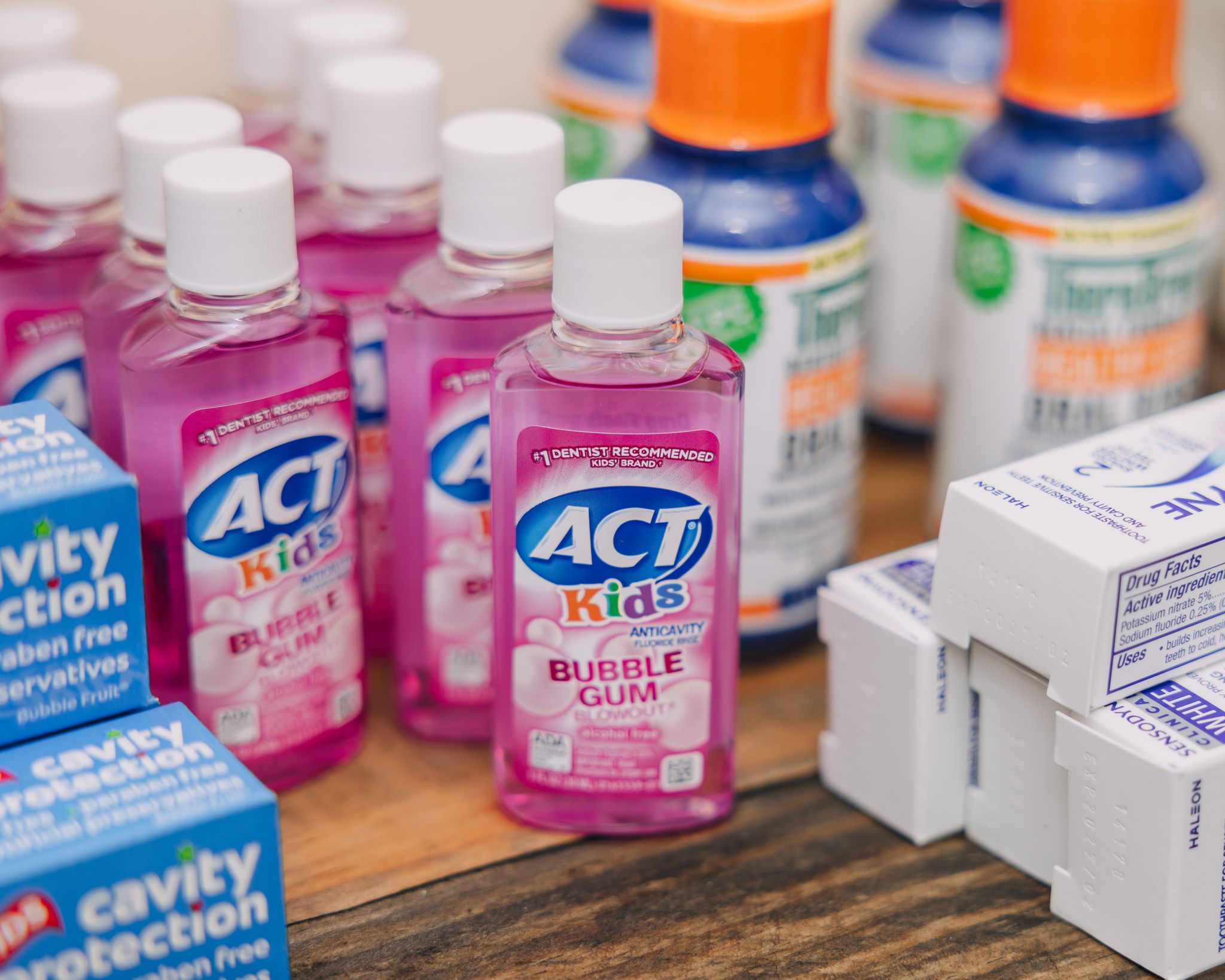
The mouthwash category requires careful navigation because different formulations serve very different purposes, and some can actually harm your oral health.
Therapeutic Mouthwashes: Fluoride rinses provide additional cavity protection, especially for people at higher risk for decay. They’re genuinely helpful for individuals with dry mouth, exposed root surfaces, or a history of frequent cavities.
Antimicrobial rinses containing chlorhexidine can be prescribed by your dentist for short-term use to treat active gum disease. However, these should never be used long-term without dental supervision, as they can disrupt your oral microbiome and cause tooth staining.
Cosmetic Mouthwashes: Many over-the-counter mouthwashes simply freshen breath temporarily without providing therapeutic benefits. There’s nothing wrong with using them for this purpose, but don’t mistake temporary fresh breath for improved oral health.
Alcohol-Based Mouthwashes: Mouthwashes containing alcohol can dry out your mouth, ironically making bad breath worse and increasing cavity risk. Dry mouth reduces saliva flow, and saliva is one of your mouth’s primary defense mechanisms against bacteria and acid attacks.
The Verdict: Mouthwash is optional for most people with good oral hygiene. If you use it, choose alcohol-free formulas. Fluoride rinses benefit people with elevated cavity risk. Strong antimicrobial rinses should only be used under dental supervision for specific therapeutic purposes.
The Extras
Tongue Scrapers: Tongue scrapers remove bacteria, dead cells, and debris from your tongue’s surface, which can reduce bad breath. While you can achieve similar results by gently brushing your tongue with your toothbrush, some people find dedicated tongue scrapers more effective and comfortable.
The Verdict: Not essential, but helpful if you struggle with bad breath. A simple, inexpensive scraper works as well as fancy models.
The Trendy
Activated Charcoal Products: Activated charcoal toothpastes and powders have exploded in popularity, with claims of natural whitening. The problem? Charcoal is highly abrasive and can wear away tooth enamel over time. Most activated charcoal oral care products lack fluoride, sacrificing cavity protection for trendy appeal.
The Verdict: Avoid activated charcoal oral care products. They’re abrasive, often fluoride-free, and lack scientific evidence supporting their safety or efficacy for long-term use.
Oil Pulling: Oil pulling—swishing coconut oil or other oils in your mouth for several minutes—is an ancient practice that’s experienced a modern resurgence. While some people report benefits, scientific evidence remains limited. It’s unlikely to harm you, but it shouldn’t replace proven oral hygiene practices.
The Verdict: Oil pulling is optional and unproven. If you enjoy it and it doesn’t replace brushing and flossing, there’s no harm. Just don’t expect miraculous results.
Whitening Strips and Trays: Over-the-counter whitening products can produce results, but they’re less effective and more likely to cause sensitivity than professional whitening. They also provide inconsistent coverage and may not whiten evenly.
The Verdict: Over-the-counter whitening works for some people but professional whitening delivers better, more predictable results with proper supervision to minimize sensitivity.
What You Actually Need: The Essential List
For most people with healthy teeth and gums, effective oral care requires:
- A quality toothbrush (manual or electric) with soft bristles
- Fluoride toothpaste without harsh abrasives
- Dental floss or a water flosser used daily
- Regular dental checkups every six months
Everything beyond these essentials is either optional based on personal preference or addresses specific dental needs that your dentist can help you identify.
Personalized Recommendations Matter
What works for your neighbor or your sister might not be ideal for you. Oral health needs vary based on factors like cavity risk, gum health, dental restorations, manual dexterity, and personal preferences. At Larrimore Family Dentistry, we provide personalized product recommendations based on your specific situation rather than one-size-fits-all advice.
During your next visit, we’re happy to discuss which products might benefit you specifically, demonstrate proper technique for the tools you’re using, and help you build an effective oral care routine without unnecessary expense.
The Bottom Line
Effective oral care doesn’t require a bathroom cabinet full of specialized products or hundreds of dollars in gadgets. It requires the right basics used consistently and correctly. Don’t let marketing hype convince you that expensive products are necessary for good oral health—and don’t let the overwhelming array of options paralyze you into inaction.
Start with the essentials: brush twice daily for two minutes with a soft-bristled brush and fluoride toothpaste, floss once daily with whatever method you’ll actually use, and maintain regular dental visits for professional care and personalized guidance.
Have questions about which oral hygiene products are right for you? Contact Larrimore Family Dentistry today to schedule your appointment. We’ll help you build an effective, efficient oral care routine that fits your needs and your budget—no gimmicks required.