
Essential Strategies for Preventing Gum Disease

Gum disease affects more than 40% of American adults, making it one of the most common chronic conditions in the United States. Yet despite its prevalence, gum disease is largely preventable with the right knowledge and consistent care. At Larrimore Family Dentistry, we believe that understanding the connection between gum health and overall wellness empowers our patients to take control of their oral health and, by extension, their whole-body health.
Preventing gum disease doesn’t require complicated procedures or expensive treatments. It requires commitment to daily habits, regular professional care, and an understanding of how your lifestyle choices impact your gum health. Let’s explore why gum disease prevention matters and discover the most effective strategies for keeping your gums healthy for life.
Why Gum Disease Prevention Matters for Your Overall Health
Your gums do far more than hold your teeth in place. They serve as a critical barrier between the bacteria in your mouth and your bloodstream. When gum disease develops, this protective barrier breaks down, allowing harmful bacteria and inflammatory substances to enter your circulatory system.
Research has established clear connections between gum disease and serious systemic health conditions. Periodontal disease has been linked to increased risk of heart disease, stroke, diabetes complications, respiratory infections, pregnancy complications, and even cognitive decline. The chronic inflammation associated with gum disease doesn’t stay confined to your mouth—it contributes to inflammatory processes throughout your entire body.
Understanding these connections helps us recognize that preventing gum disease isn’t just about keeping your teeth, it’s about protecting your cardiovascular system, supporting your immune function, and maintaining your overall quality of life.
Master Your Daily Oral Hygiene Routine
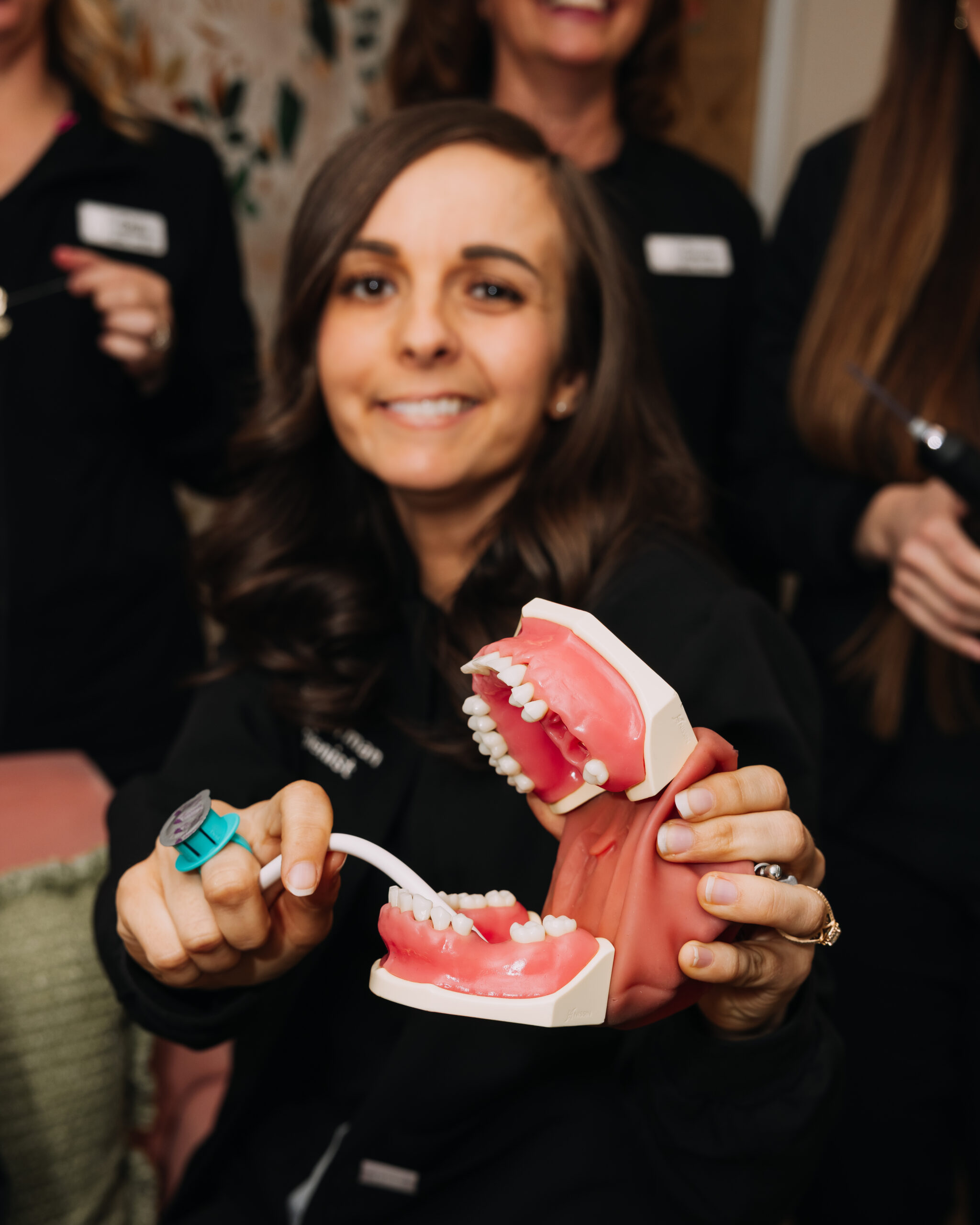
The foundation of gum disease prevention is a consistent, effective oral hygiene routine. However, technique matters just as much as frequency.
Brushing Technique: Brush twice daily using a soft-bristled toothbrush, which effectively removes plaque without irritating gum tissue. Position your brush at a 45-degree angle toward the gum line, where plaque tends to accumulate. Use gentle, circular motions rather than aggressive scrubbing, which can actually damage gums and cause recession.
Make Flossing A Priority: Many people overlook flossing, yet it’s one of the most important steps in preventing gum disease. Floss at least once daily, ideally before brushing, to remove plaque from between teeth where your toothbrush cannot reach. This interdental plaque is a primary contributor to gum disease development. Use a gentle sawing motion to slide the floss between teeth, then curve it around each tooth and slide it beneath the gum line.
Additional Tools: Consider incorporating interdental brushes for larger spaces between teeth, and water flossers, which can be particularly effective for people with braces, implants, or dexterity challenges.
Prioritize Regular Professional Care
Even with excellent home care, professional dental visits remain essential for preventing gum disease. At Larrimore Family Dentistry, we recommend checkups and cleanings every six months for most patients, though some individuals with higher risk factors may benefit from more frequent visits.
Professional cleanings accomplish several critical tasks. Our dental hygienists can remove tartar (calcified plaque) that cannot be eliminated through brushing and flossing alone. This hardened buildup provides an ideal environment for bacteria to thrive and is a major risk factor for gum disease progression.
During your examination, we carefully assess your gum health, measuring pocket depths around each tooth and checking for bleeding, inflammation, or recession. This allows us to detect early warning signs of gum disease before you experience symptoms, enabling intervention when treatment is simplest and most effective.
These regular visits also provide opportunities for personalized guidance. We can identify areas where your home care routine might need adjustment, recommend products suited to your specific needs, and address any concerns you have about your gum health.
Nourish Your Gums Through Smart Nutrition
Your dietary choices significantly impact your gum health. The bacteria that cause gum disease thrive on sugars and refined carbohydrates, producing acids that irritate gum tissue and promote inflammation.
Foods That Support Gum Health:
Crunchy fruits and vegetables like apples, carrots, and celery stimulate saliva production, which naturally cleanses your mouth and neutralizes harmful acids. The chewing action also massages gums and promotes circulation.
Dark leafy greens like spinach and kale provide B vitamins that support tissue health and immune function. Vitamin C-rich foods like citrus fruits, strawberries, and bell peppers strengthen connective tissues in your gums and support immune response.
Omega-3 rich foods like fatty fish (salmon, mackerel, sardines), walnuts, and flaxseeds provide anti-inflammatory benefits that can help reduce gum inflammation. Dairy products and almonds supply calcium that supports both teeth and the bone structure that holds them in place.
Green tea contains powerful antioxidants called polyphenols that have anti-inflammatory properties and may help prevent periodontal disease.
Foods to Limit:
Minimize sugary foods and beverages, which feed harmful bacteria and promote acid production. Be particularly cautious with sticky foods like dried fruits, caramels, and chewy candies that cling to teeth and gums. Acidic foods and drinks can erode enamel and irritate gums, so consume them in moderation and rinse with water afterward.
Address Risk-Increasing Behaviors
Certain lifestyle habits dramatically increase your risk of developing gum disease, making behavior modification crucial for prevention.
Tobacco Use: Smoking is one of the most significant risk factors for gum disease, increasing your risk by up to 85%. Tobacco use impairs blood flow to gum tissues, weakens immune response, and disrupts the beneficial bacteria in your mouth. If you smoke or use tobacco products, quitting is one of the most impactful steps you can take to protect your gums and overall health.
Stress Management: Chronic stress impacts gum health both directly and indirectly. Stress hormones can affect immune function and blood flow to gums, making you more susceptible to infection. Stress also tends to correlate with behaviors that harm oral health, such as poor dietary choices, neglecting oral hygiene, and increased smoking or alcohol consumption. Incorporate stress-reduction techniques like exercise, meditation, adequate sleep, or professional counseling to support both your mental health and your gum health.
Alcohol Consumption: Excessive alcohol use can dry out your mouth, reducing the protective effects of saliva and creating an environment where harmful bacteria flourish. If you drink alcohol, do so in moderation and stay well-hydrated.
Recognize Warning Signs
Despite your best prevention efforts, remain alert for early signs of gum disease so you can seek prompt treatment. Contact Larrimore Family Dentistry if you notice:
- Gums that bleed easily during brushing or flossing
- Red, swollen, or tender gums
- Gums that have pulled away from teeth
- Persistent bad breath or bad taste
- Loose teeth or changes in how your teeth fit together
- Pus between teeth and gums
- Changes in your bite or how dentures fit
Early-stage gum disease (gingivitis) is reversible with proper care. Once it progresses to periodontitis, damage becomes permanent, though the disease can be managed to prevent further deterioration.
Your Partner in Prevention
At Larrimore Family Dentistry, we’re committed to helping you maintain healthy gums as part of your overall wellness strategy. Our comprehensive approach combines thorough professional care with personalized education and support, empowering you to take control of your oral health.
Whether you’re starting a prevention program, concerned about early symptoms, or managing existing gum disease, we’re here to provide the expert care and guidance you need. Don’t wait until problems develop, schedule your comprehensive gum health evaluation today and take the first step toward protecting both your smile and your overall health for years to come.