
Why A Root Canal Could Save Your Tooth (and your wallet)

Few phrases in dentistry inspire more dread than “you need a root canal.” The mere mention of this procedure can make patients anxious, and root canals have become cultural shorthand for anything painful or unpleasant. At Larrimore Family Dentistry, we’ve heard it all: “I’d rather pull the tooth than have a root canal,” “Root canals are unbearably painful,” “They never work anyway, so why bother?” These misconceptions prevent many people from choosing a treatment that could save their natural tooth, preserve their oral health, and actually save them money in the long run.
It’s time for a root canal reality check. Let’s separate fact from fiction, explore what actually happens during root canal treatment, understand why it’s often your best option, and discover how modern techniques have transformed this once-dreaded procedure into a comfortable, routine treatment that can save your smile.
What Actually Is a Root Canal?
Before addressing the myths, let’s understand what root canal treatment actually involves. Despite the name, a “root canal” isn’t a procedure—it’s actually the anatomical space inside your tooth that contains pulp tissue, nerves, and blood vessels. Root canal treatment (endodontic therapy) is the procedure that saves a tooth when this internal tissue becomes infected or inflamed.
Each tooth has one or more canals running from the crown (visible part) down through the roots. When decay, cracks, trauma, or repeated dental procedures damage a tooth, bacteria can enter these canals and infect the pulp. This infection causes pain, can lead to abscesses, and will eventually destroy the tooth if left untreated.
Root canal treatment removes the infected or inflamed pulp, thoroughly cleans and disinfects the canal spaces, and seals them to prevent future infection. The tooth is then restored with a filling or crown, allowing it to function normally for years—often a lifetime—without the internal pulp tissue.
Myth #1: “Root Canals Are Extremely Painful”
This is perhaps the most pervasive and damaging myth about root canal treatment. In reality, the exact opposite is true.
The Reality: Root canals don’t cause pain—they relieve it. The severe toothache you’re experiencing before treatment is caused by the infected pulp putting pressure on the nerve. The root canal procedure removes this infected tissue and eliminates the source of your pain.
Thanks to modern anesthetics and techniques, root canal treatment is no more uncomfortable than getting a routine filling. Most patients report feeling little to no discomfort during the procedure. Dr. Larrimore uses advanced techniques and effective anesthesia to ensure your comfort throughout treatment.
The lingering reputation of root canals as painful likely stems from decades past when dental anesthetics were less effective and techniques were less refined. Today’s root canal treatment bears little resemblance to the procedures of our grandparents’ generation.
After treatment, you may experience mild tenderness for a few days as the surrounding tissues heal, but this discomfort is typically manageable with over-the-counter pain relievers and is far less severe than the pain caused by the infection itself.
Myth #2: “I Should Just Pull the Tooth Instead”
When faced with root canal treatment, many patients consider extraction as a simpler, cheaper alternative. This short-term thinking can lead to significant long-term consequences.
The Reality: Saving your natural tooth through root canal treatment is almost always preferable to extraction, both functionally and financially. Your natural teeth are designed to last a lifetime, and nothing—not even the best dental implant—truly replicates their function and feel.
When you lose a tooth, several problems develop. Adjacent teeth gradually shift into the empty space, causing misalignment and bite problems. The opposing tooth (the one that used to bite against the missing tooth) can begin to drift or over-erupt, creating additional complications. The jawbone in the area of the missing tooth begins to deteriorate due to lack of stimulation, which can affect your facial structure and make future tooth replacement more difficult.
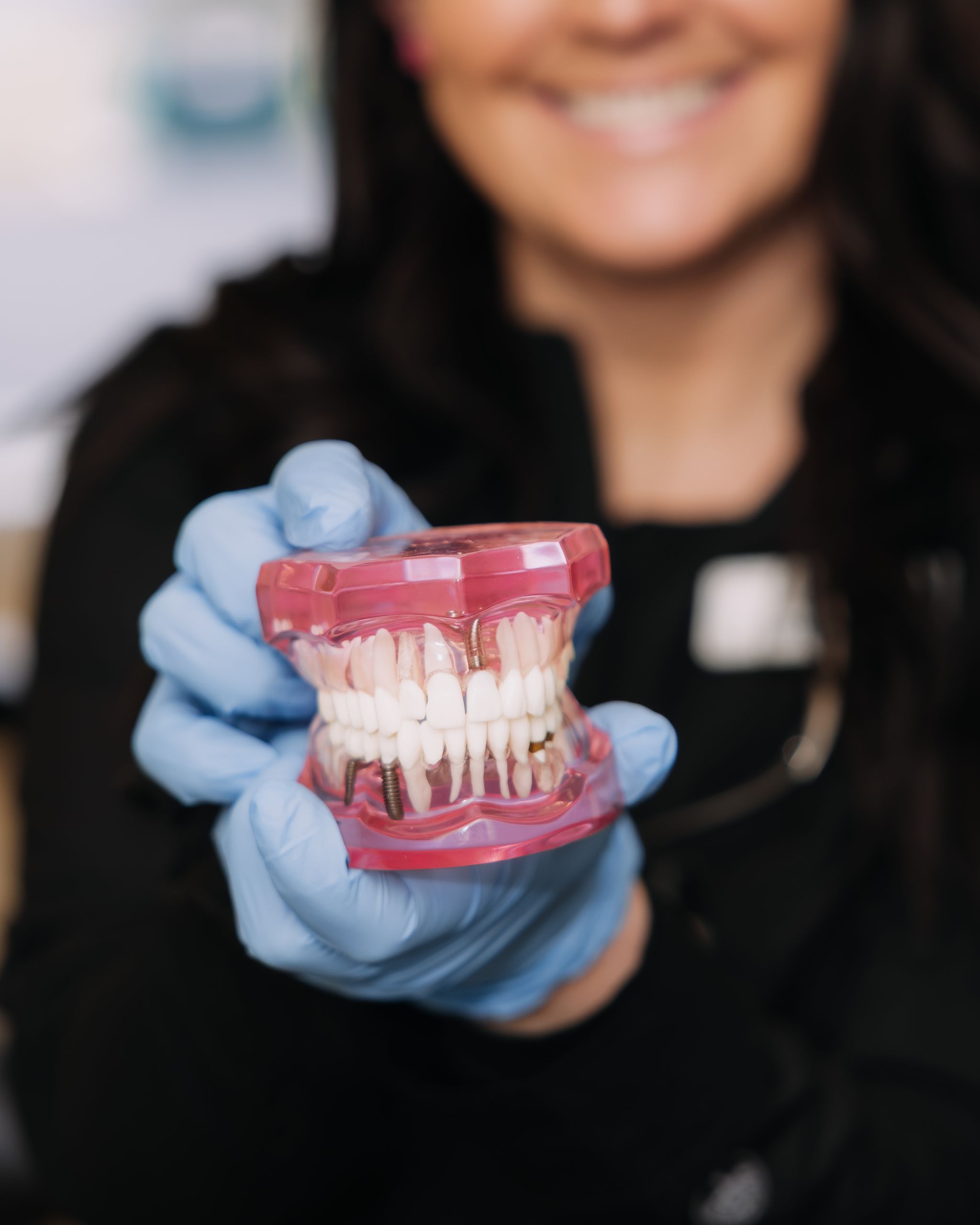
To prevent these problems, you’ll need to replace the extracted tooth with either a dental bridge or implant. While both are excellent options for replacing missing teeth, they’re significantly more expensive than root canal treatment and preserving your natural tooth.
Beyond cost, consider the time investment. Root canal treatment typically requires one or two appointments. Tooth extraction followed by implant placement involves multiple procedures over several months—extraction, healing time, possible bone grafting, more healing, implant placement, more healing, and finally crown placement. That’s significantly more time in the dental chair and more disruption to your life.
Myth #3: “Root Canals Don’t Last Anyway”
Some patients believe that root canal-treated teeth inevitably fail, making the treatment a waste of money.
The Reality: Root canal treatment has an exceptionally high success rate—over 95% when performed properly and followed by appropriate restoration. Many root canal-treated teeth last a lifetime with proper care.
The key to longevity is following through with the recommended restoration after root canal treatment. After removing infected pulp and sealing the canals, the tooth needs a permanent restoration—typically a crown—to protect the remaining tooth structure and seal out bacteria. Teeth that have undergone root canal treatment are more brittle than vital teeth because they lack internal moisture from the pulp, making them more susceptible to fracture without the protective reinforcement of a crown.
When root canals “fail,” it’s often due to:
- Delayed or inadequate final restoration, allowing bacteria to re-enter the tooth
- Undetected cracks in the tooth that were present before treatment
- New decay around the restoration due to poor oral hygiene
- Complex anatomy that made complete cleaning challenging
Myth #4: “Root Canals Cause Illness”
You may have encountered online claims that root canal-treated teeth cause systemic diseases like heart disease, arthritis, or cancer. These claims are based on deeply flawed research from the 1920s that has been thoroughly debunked.
The Reality: There is no credible scientific evidence linking properly performed root canal treatment to systemic illness. This myth stems from research by Dr. Weston Price in the early 1900s that has been discredited due to faulty methodology and lack of scientific rigor.
Modern research, including studies by the Mayo Clinic and the American Association of Endodontists, has found no connection between root canal-treated teeth and systemic disease. In fact, leaving infected teeth untreated poses far greater risks to your overall health, as dental infections can spread to other parts of your body.
What does pose health risks? Untreated dental infections. The bacteria from an abscessed tooth can enter your bloodstream and contribute to serious medical conditions including heart disease, stroke, and diabetes complications—the very conditions erroneously blamed on root canal treatment.
The True Cost of Avoiding Root Canal Treatment
Delaying or avoiding necessary root canal treatment doesn’t make the problem go away—it makes it worse. An infected tooth that could have been saved with root canal treatment may eventually require extraction. Beyond financial costs, consider the physical and emotional toll. Untreated dental infections cause ongoing pain that affects your ability to eat, sleep, work, and enjoy life. They can spread to surrounding tissues, causing facial swelling and potentially serious systemic infections requiring hospitalization. The stress and anxiety of living with an infected tooth takes a real toll on your quality of life.
Why Save Your Natural Tooth?
Your natural teeth are remarkably engineered structures. They have proprioceptive capabilities—they can sense pressure and adjust your bite accordingly—that even the best dental implants cannot fully replicate. They’re connected to your jawbone through a sophisticated periodontal ligament that provides cushioning and sensory feedback.
Natural teeth preserve your jawbone through normal chewing forces, maintaining your facial structure and preventing the bone loss that occurs after tooth extraction. They function seamlessly with your remaining natural teeth, maintaining proper bite alignment and force distribution.
Simply put, your natural teeth—even after root canal treatment—function better than any artificial replacement.
Your Tooth Is Worth Saving

If Dr. Larrimore recommends root canal treatment, it’s because she believes your tooth can be saved—and saving it is in your best interest. Root canal treatment isn’t something to fear; it’s an opportunity to preserve your natural tooth, eliminate pain, and protect your oral health for years to come.
Don’t let outdated myths prevent you from receiving a treatment that could save your tooth and your smile. If you’re experiencing tooth pain or have been told you need root canal treatment, contact Larrimore Family Dentistry today. We’ll answer your questions honestly, address your concerns compassionately, and provide the gentle, expert care you need to save your tooth and restore your comfort.
Your natural teeth are worth saving—and we’re here to help you keep them for a lifetime.