
How Quality Sleep Protects Your Oral and Overall Health

When you think about maintaining excellent oral health, brushing, flossing, and regular dental visits probably come to mind. But there’s another crucial factor that many people overlook: sleep quality. At Larrimore Family Dentistry, we understand that optimal oral health requires a comprehensive approach that extends beyond traditional dental care. The quality and quantity of your sleep can significantly impact everything from cavity risk to gum disease susceptibility, creating a complex relationship that affects both your smile and your overall wellness.
Understanding the connection between sleep and oral health empowers you to take a more holistic approach to dental care—one that addresses root causes rather than just treating symptoms. Let’s explore how sleep influences your oral health and discover practical strategies for improving both.
Understanding the Sleep-Oral Health Relationship
Research consistently demonstrates strong correlations between poor sleep quality and increased oral health problems. People who experience difficulty falling asleep, frequent nighttime awakenings, or consistently sleep less than seven hours per night face higher risks for cavities, gum disease, and other dental issues.
This relationship works both ways—poor oral health can disrupt sleep through pain and discomfort, while inadequate sleep compromises your mouth’s natural defenses against disease. Breaking this cycle requires addressing both sides of the equation, which is why we consider sleep quality an essential component of comprehensive dental care.
What Happens in Your Mouth During Sleep
While you sleep, your body undergoes numerous restorative processes, but your mouth also experiences significant changes that can affect oral health. One of the most important changes is reduced saliva production. Saliva serves as your mouth’s natural defense system, neutralizing acids, washing away food particles, and controlling bacterial populations. When saliva flow decreases during sleep, bacteria have an opportunity to multiply and produce acids that attack tooth enamel and irritate gum tissue.
For most people with healthy sleep patterns, this temporary reduction in saliva doesn’t cause problems because the duration is limited and normal saliva flow resumes upon waking. However, when sleep is disrupted or when certain sleep-related conditions are present, the protective effects of saliva become even more compromised, creating ideal conditions for oral health problems to develop.
Sleep Apnea: A Major Threat to Oral Health
Obstructive sleep apnea represents one of the most significant connections between sleep disorders and dental problems. This condition occurs when breathing repeatedly stops and starts during sleep due to airway obstruction. Beyond causing snoring and daytime fatigue, sleep apnea creates multiple challenges for oral health.
Sleep apnea often causes mouth breathing, which dramatically dries out oral tissues. This persistent dry mouth (xerostomia) severely reduces saliva’s protective effects, creating an environment where harmful bacteria flourish. The result is significantly increased risk for tooth decay, gum disease, and oral infections.
The inflammatory response triggered by sleep apnea doesn’t remain confined to the airway—it affects the entire body, including gum tissue. Chronic inflammation makes gums more susceptible to infection and can accelerate the progression of periodontal disease. Studies show that people with untreated sleep apnea face substantially higher rates of gum disease compared to those without the condition.
Additionally, the oxygen deprivation that occurs during apnea episodes compromises tissue healing and immune function, making it harder for your mouth to repair damage and fight off infections. This creates a concerning cycle where oral health problems worsen over time despite consistent home care efforts.
Mouth Breathing: The Overlooked Culprit
Whether caused by sleep apnea, nasal congestion, or habit, mouth breathing during sleep poses serious risks to oral health. Breathing through your mouth instead of your nose bypasses the natural humidifying and filtering functions of the nasal passages, leading to chronic dry mouth.
The consequences extend beyond simple discomfort. Mouth breathing alters the oral microbiome—the complex ecosystem of bacteria in your mouth. Without adequate moisture, beneficial bacteria struggle while harmful species thrive, shifting the balance toward disease-causing organisms. This disrupted microbiome increases susceptibility to cavities, gum disease, and bad breath.
Children who chronically mouth breathe face additional concerns, including altered facial development and increased orthodontic needs. Identifying and addressing mouth breathing early can prevent both immediate oral health problems and long-term developmental issues.
Teeth Grinding: Stress Meets Sleep Disruption
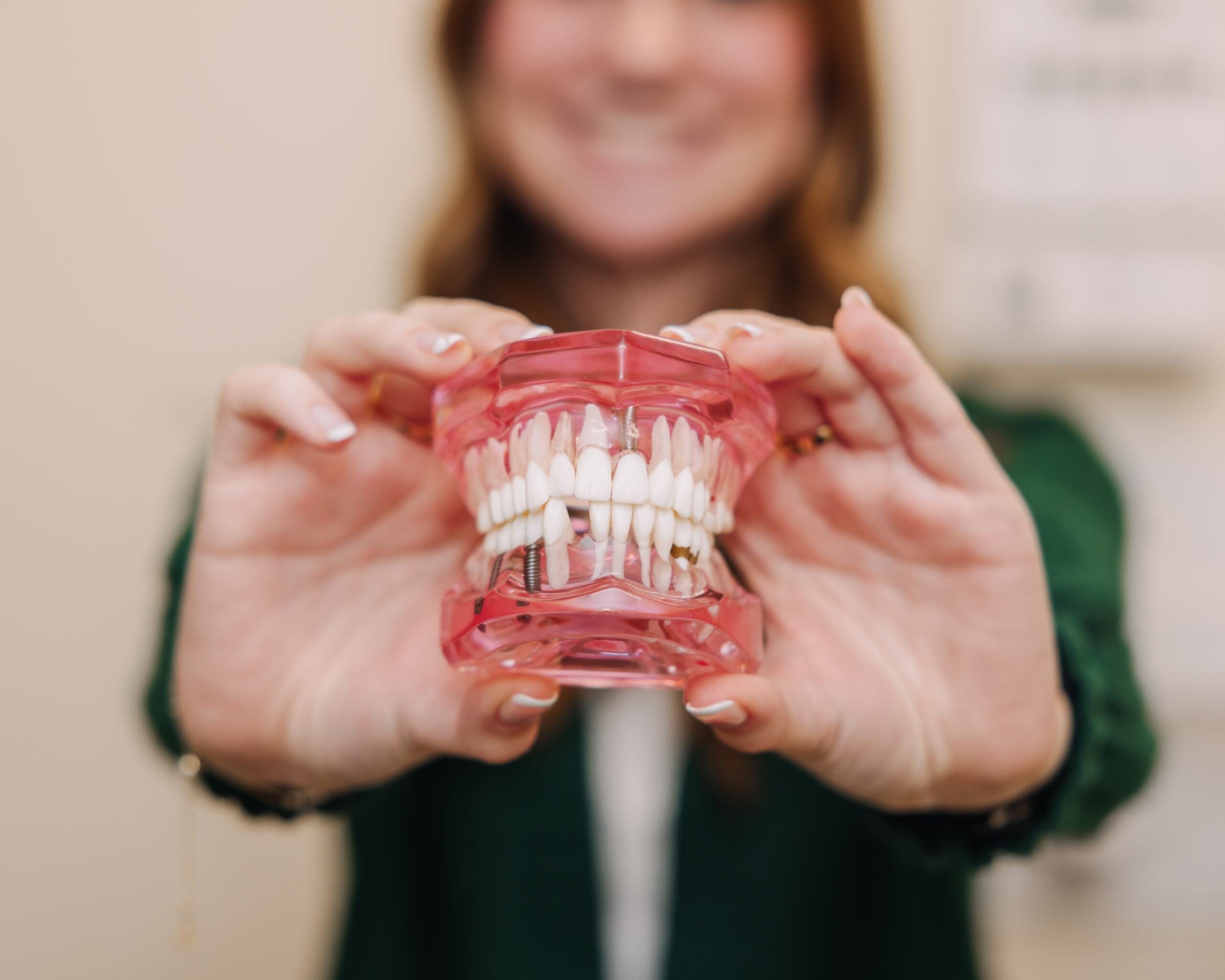
Bruxism, or teeth grinding during sleep, affects millions of people and often relates to both stress and sleep quality issues. Many people grind their teeth unconsciously throughout the night, gradually wearing down enamel, causing gum recession, and creating tooth sensitivity.
While custom night guards protect teeth from grinding damage, they don’t address why grinding occurs. Poor sleep quality, sleep apnea, stress, and anxiety all contribute to bruxism. Some research suggests that teeth grinding may represent the body’s attempt to reopen airways during sleep disruption, highlighting the complex interconnections between sleep disorders and oral habits.
Left unaddressed, chronic teeth grinding can lead to cracked teeth, jaw pain, headaches, and accelerated tooth wear that compromises both function and appearance. Addressing underlying sleep issues often reduces grinding intensity and frequency, providing more comprehensive relief than protective devices alone.
TMJ Disorders and Sleep Quality
Temporomandibular joint (TMJ) disorders create a bidirectional relationship with sleep quality. People with TMJ disorders often experience disrupted sleep due to jaw pain, while poor sleep quality appears to increase TMJ symptom severity. This creates another challenging cycle where each problem exacerbates the other.
TMJ-related pain and discomfort can make it difficult to find comfortable sleeping positions, leading to frequent awakenings and poor sleep quality. Simultaneously, sleep deprivation increases pain sensitivity and reduces the body’s ability to manage inflammation, making TMJ symptoms feel worse. Addressing both sleep quality and TMJ issues together typically produces better outcomes than treating either condition in isolation.
The Tooth Loss Connection
The relationship between sleep disorders and tooth loss illustrates how interconnected these issues become. Sleep apnea and other sleep problems increase gum disease risk through chronic inflammation and reduced immune function. Advanced gum disease remains the leading cause of adult tooth loss, creating a direct pathway from poor sleep to tooth loss.
Interestingly, tooth loss itself may increase sleep apnea risk by altering oral structures and airway support. This relationship emphasizes the importance of maintaining both natural teeth and quality sleep throughout life.
How Quality Sleep Protects Your Mouth
Understanding how sleep problems harm oral health helps us appreciate how quality sleep provides protection. When you consistently get adequate, restorative sleep, multiple beneficial processes support oral health:
Enhanced Blood Flow: Proper breathing during sleep ensures optimal oxygen delivery throughout your body, including gum tissue. This improved circulation supports tissue repair, nutrient delivery, and waste removal—all essential for maintaining healthy gums and responding to minor injuries or infections.
Reduced Inflammation: Quality sleep helps regulate inflammatory responses throughout your body. Lower systemic inflammation means healthier gums, reduced disease progression, and better overall oral health.
Immune System Restoration: Your immune system requires adequate rest to function optimally. Quality sleep enables your body to effectively manage bacterial populations in your mouth, maintaining the healthy microbial balance necessary for preventing disease.
Adequate Saliva Production: While saliva production naturally decreases during sleep, healthy sleep patterns ensure this reduction is temporary and normal production resumes quickly upon waking, maintaining effective oral defense mechanisms.
Taking Action for Better Sleep and Oral Health
If you’re experiencing persistent oral health problems despite good hygiene habits, sleep quality deserves serious consideration. At Larrimore Family Dentistry, we can help identify signs that sleep issues might be contributing to your dental problems and provide guidance on next steps.
Improving sleep quality often requires a multifaceted approach including consistent sleep schedules, creating optimal sleep environments, managing stress, addressing underlying sleep disorders, and sometimes working with sleep specialists for comprehensive evaluation and treatment.
Your Partner in Comprehensive Care
At Larrimore Family Dentistry, we recognize that optimal oral health requires understanding and addressing the many factors that influence your mouth’s wellbeing—including sleep quality. Whether you’re dealing with persistent cavities, gum problems, teeth grinding, or other oral health challenges, we’re committed to helping you identify and address root causes rather than just treating symptoms.
Don’t let poor sleep compromise your oral health any longer. Schedule a comprehensive evaluation today, and let’s work together to protect both your smile and your overall wellness through better understanding of the critical sleep-oral health connection.