
Protecting Your Teeth in Sports and Recovering from Dental Injuries
Sports and physical activities are wonderful for your health, confidence, and quality of life. Yet participation in athletics also carries risks, not just for sprains and breaks, but for dental injuries that many athletes overlook. At Larrimore Family Dentistry, we see athletes of all ages and skill levels who’ve experienced preventable dental injuries, as well as those recovering from sports-related dental trauma. Most dental injuries can be prevented with proper protection, and when injuries do occur, prompt treatment and proper recovery protocols can save your teeth and your smile.
Whether you’re a competitive athlete, weekend warrior, or casual recreational participant, protecting your teeth should be as non-negotiable as protecting your brain and body. Let’s explore how to keep your athletic smile safe and what to do if dental injury occurs.
How Common Are Sports-Related Dental Injuries?
Dental injuries are more common in sports than many athletes realize. Studies suggest that athletes are 60 times more likely to sustain tooth damage when not wearing a mouthguard. In fact, sports-related dental injuries account for thousands of emergency dental visits annually, with many preventable through proper protection.
Contact sports like football, hockey, rugby, and basketball carry higher injury risks, but dental injuries can occur in any sport, even non-contact activities like skateboarding, cycling, and gymnastics. The impact of a ball, collision with another player or equipment, or a fall can result in chipped teeth, tooth loss, jaw fractures, and soft tissue injuries that can be painful and expensive to treat.
The Critical Importance of Mouthguards
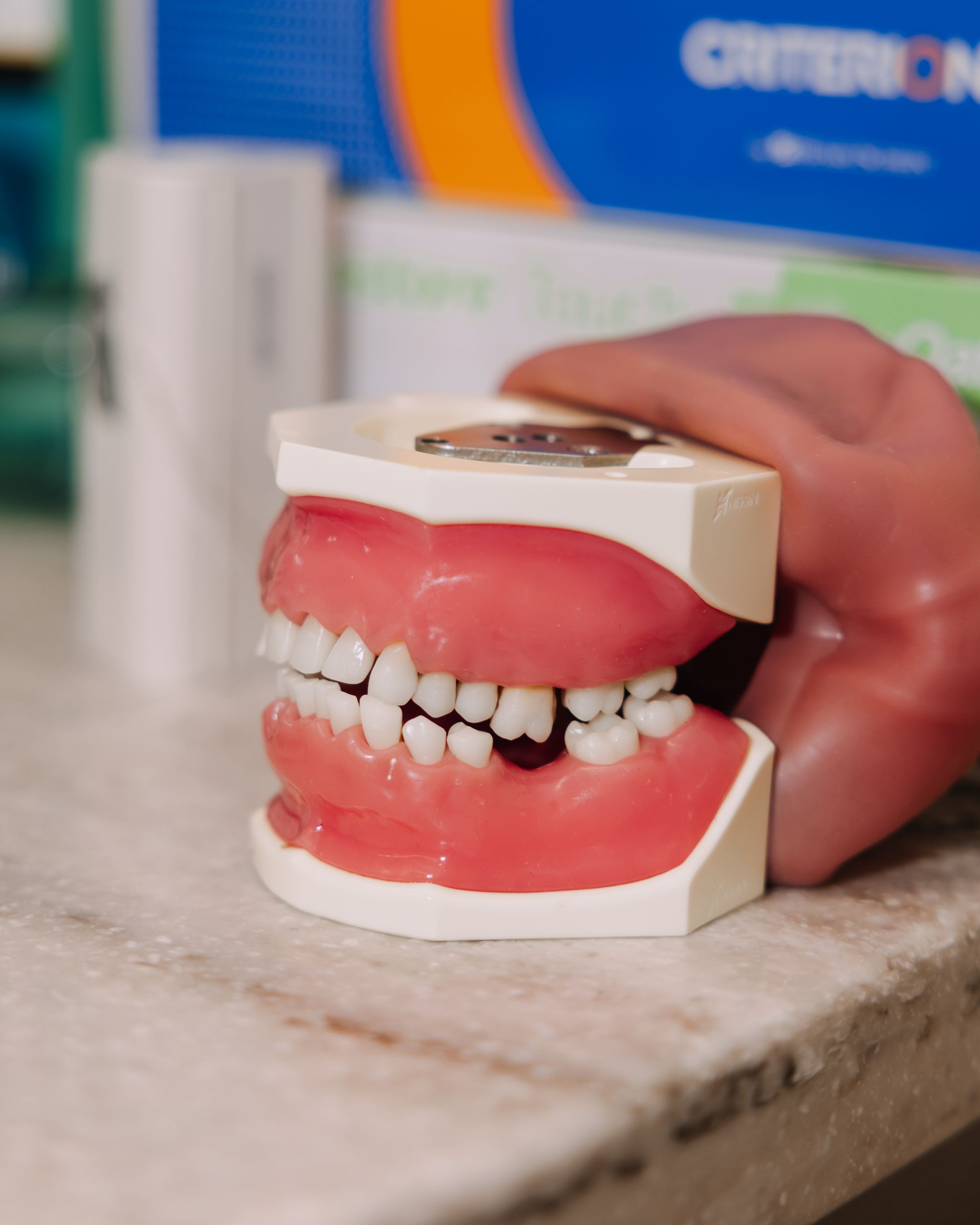
A quality mouthguard is your first and most important line of defense against dental injury. Yet many athletes underestimate their importance or struggle with compliance because of fit and comfort issues.
Custom-Fitted Mouthguards
Custom mouthguards fabricated by your dentist are superior to over-the-counter alternatives in every meaningful way. Your dentist takes an impression of your teeth and has the guard custom-made to fit your unique dental anatomy precisely. This perfect fit provides several crucial advantages:
Custom guards distribute impact forces evenly across your teeth and jaw, providing superior protection against fractures and displacement. They’re more comfortable than ill-fitting stock guards, making athletes more likely to wear them consistently. They allow for better breathing and speech compared to bulkier over-the-counter options, which is particularly important during competitive play. They last longer due to superior materials and construction.
Over-the-Counter Mouthguards
While not ideal, over-the-counter mouthguards are significantly better than no protection. Stock guards are pre-formed and come in limited sizes, and boil-and-bite guards allow some customization by softening the material and molding it to your teeth.
The problems with OTC guards include inconsistent fit, reduced comfort leading to non-compliance, inadequate protection due to improper positioning, and shorter lifespan. However, if cost is prohibitive or you’re trying out a sport before investing in custom protection, OTC guards provide meaningful risk reduction.
Protecting Existing Dental Work
Athletes with crowns, bridges, implants, bonded restorations, or orthodontic appliances face additional considerations when participating in sports.
Braces and Orthodontic Appliances
Brackets, wires, and other orthodontic hardware can cause serious soft tissue injuries if struck. Athletes with braces should absolutely wear a mouthguard, and ideally, custom guards are fabricated around existing appliances for optimal protection. The mouthguard protects both your teeth and the soft tissues (lips, gums, tongue) from being cut by the hardware.
Some athletes worry that mouthguards interfere with braces, but custom-fitted guards are designed to accommodate orthodontic hardware comfortably. Mouth guards should be cleaned after each use and replaced if damaged, as the orthodontic wires can create stress points in the guard material.
Crowns, Bridges, and Restorations
Existing dental work should be protected the same as natural teeth. A strong impact can fracture crowns, dislodge bridges, or damage bonded restorations. Custom mouthguards protect these investments while preventing the need for replacement or repair.
Injury Prevention Strategies Beyond Mouthguards
While mouthguards are essential, comprehensive injury prevention involves multiple strategies:
Proper Technique and Training: Many dental injuries result from improper technique or lack of conditioning. Proper form, strength training, and agility work reduce your risk of falls and collisions that lead to dental trauma.
Equipment Maintenance: Ensure all sports equipment is in good condition. Broken or worn equipment can increase injury risk.
Situational Awareness: Stay aware of your surroundings, other players, and potential hazards. Many injuries occur due to unexpected collisions that might have been avoided with better awareness.
Dental Health: Athletes with strong teeth and healthy gums are less likely to experience severe damage from impact. Maintain excellent oral hygiene and address any existing dental problems before they worsen with impact stress.
Emergency Response: What to Do If a Tooth Is Knocked Out
Immediate action within the first 30 minutes dramatically affects whether a knocked-out tooth can be saved. Here’s exactly what to do:
For a Completely Avulsed (Knocked Out) Tooth:
- Find the tooth immediately. Time is critical—the sooner you get professional treatment, the better the outcome.
- Handle it carefully. Hold the tooth by the crown (visible part), never by the root. Don’t scrub or clean it aggressively.
- Rinse gently if dirty. If the tooth is visibly dirty, rinse it quickly with room-temperature saline solution or milk. Don’t use tap water, which can damage the root surface.
- Reinsert if possible. If you’re able, gently push the tooth back into its socket and hold it in place with a clean cloth or gauze while seeking emergency dental care. If reinsertion isn’t possible or you’re uncomfortable attempting it, proceed to the next step.
- Store properly for transport. Place the tooth in a container of milk, saline solution, or your own saliva (hold it in your mouth if you can’t use liquid). These preserve the delicate root cells. Avoid water or dry storage.
- Seek emergency dental care immediately. Call Larrimore Family Dentistry or an emergency dental clinic right away. Many knocked-out teeth can be successfully replanted if treated within 30 minutes; success rates decrease significantly after this window.
For Chipped or Cracked Teeth:
Rinse your mouth with water and apply cold compression to reduce swelling. Collect any tooth fragments. See your dentist as soon as possible—ideally within a few hours. Small chips can often be bonded back; larger fractures may require crowns or other restoration.
For Loose Teeth:
Don’t pull on the tooth or move it excessively. See your dentist immediately for evaluation and stabilization. The tooth may reattach if not further traumatized.
Treatment Options for Sports-Related Dental Injuries
Treatment depends on injury severity:
Minor Chips: Tooth-colored bonding can repair small chips, often in a single appointment.
Significant Fractures: Crowns or other restorations may be necessary to restore strength and function.
Root Damage: Root canal treatment may be needed if the injury damages the internal pulp tissue.
Tooth Loss: Replanted teeth may require root canal treatment and splinting to stabilize them while healing. Teeth that can’t be saved require replacement through implants, bridges, or other options.
Playing Sports with Dental Work
Athletes undergoing orthodontic treatment or with recent dental work should take precautions:
With Braces: Always wear a custom mouthguard. Avoid hard, sticky, or crunchy foods that could damage brackets or wires.
After Dental Procedures: Follow your dentist’s guidelines for returning to activity. Most restorative work requires 24-48 hours before resuming vigorous exercise to allow materials to fully set.
With Root Canal Treatment: You can typically resume activity after a few days, but wait for your permanent crown before returning to contact sports.
Returning to Activity After Dental Procedures
Recovery timelines depend on the procedure:
- Fillings: Return to activity immediately
- Professional Cleaning: Return to activity immediately
- Crowns or Major Restorations: Wait 24-48 hours before vigorous activity
- Root Canal Treatment: Resume light activity after 1-2 days; wait for crown before contact sports
- Tooth Extraction: Wait 3-5 days before returning to activity
- Implant Placement: Wait 7-10 days before exercise; return to contact sports only after full integration (several months)
Protecting Your Athletic Future
Your teeth enable you to eat, speak, smile, and function fully. Protecting them should be as automatic as lacing your shoes before practice. A custom mouthguard is a small investment that protects an invaluable asset.
At Larrimore Family Dentistry, we’re passionate about helping athletes protect their smiles and recover from dental injuries when they occur. If you’re a parent of a young athlete, a competitive player, or anyone participating in sports, we encourage you to schedule a consultation to discuss your individual protection needs.
Don’t let a preventable dental injury sideline you or create lasting complications. Contact us today to get fitted for a custom mouthguard and ensure your athletic smile stays protected. Your future self will thank you for it.